
Yellow Eyes After Drinking
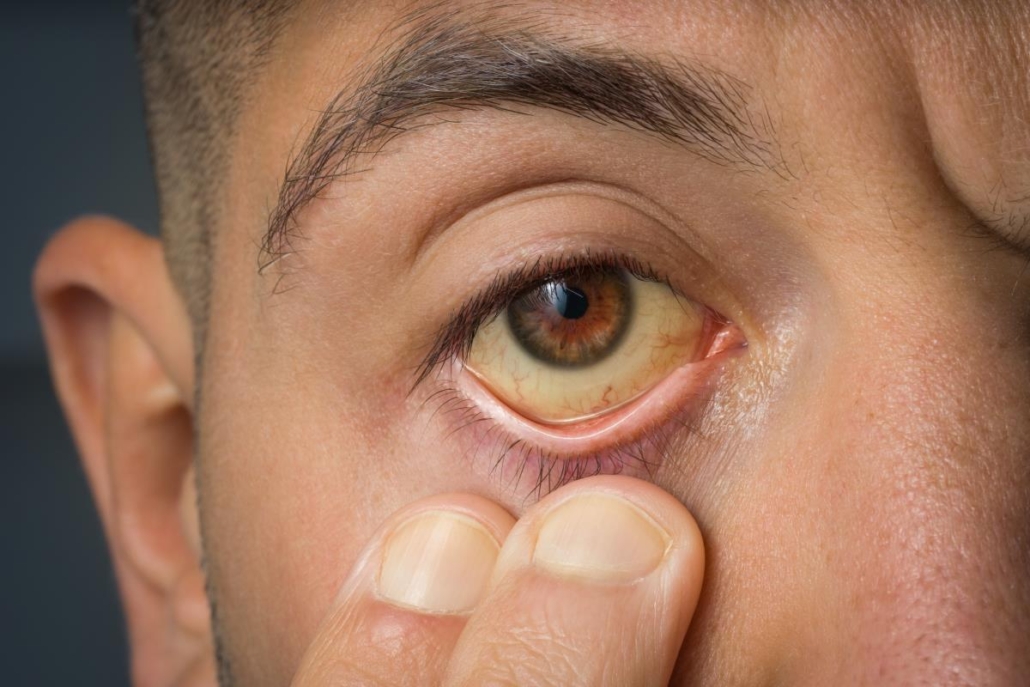
Table of Contents
Quick answer: Yellow eyes after drinking occur because alcohol damages the liver, preventing it from filtering bilirubin—a yellow pigment—from the blood. This buildup causes the whites of your eyes and skin to appear yellow, a condition called jaundice.
Talk to someone who’s helped others through this. Our Los Angeles admissions team is available 24/7 – completely confidential. Call 855-778-8668 or request a call online.
How Alcohol Abuse Causes Yellow Eyes
Alcoholic jaundice occurs when excessive alcohol consumption leads to liver inflammation and impaired liver function. The liver is responsible for breaking down alcohol and filtering toxins from the blood. When the liver becomes overwhelmed, bilirubin—a yellow pigment produced from the breakdown of red blood cells—accumulates in the blood, causing the skin and eyes to appear yellow.
It’s important to know that yellow eyes after drinking can indicate anything from fatty liver (reversible with early intervention) to cirrhosis, a severe and potentially life-threatening condition.
How Alcohol Harms the Liver
Alcohol has a direct toxic effect on the liver. The more frequently and heavily someone drinks, the greater the strain on this critical organ. Liver damage from alcohol generally progresses in stages:
Fatty Liver (Hepatic Steatosis)
Fatty liver occurs when alcohol interferes with the liver’s ability to metabolize fats. Excess fat accumulates within liver cells, which can cause inflammation over time. Most people do not experience noticeable symptoms at this stage. However, early detection through routine blood tests or imaging studies allows the liver to heal completely if alcohol use is stopped.
Alcoholic Hepatitis
Prolonged alcohol consumption can lead to alcoholic hepatitis, an inflammation of the liver. Symptoms include:
- Fatigue and weakness
- Nausea and vomiting
- Abdominal pain and bloating
- Swelling in the legs and abdomen (ascites)
- Yellow eyes and skin
Without intervention, alcoholic hepatitis can progress to severe liver injury, liver failure, or death.
Cirrhosis
Cirrhosis is the advanced stage of liver disease. It occurs when repeated liver injury leads to permanent scarring. Scar tissue prevents the liver from functioning properly. Symptoms may include:
- Yellow eyes and jaundiced skin
- Severe fatigue
- Weight loss
- Confusion or memory problems
- Itchy skin
- Swelling in the legs and feet
- Nausea and loss of appetite
- Abdominal pain
Cirrhosis is often irreversible, but stopping alcohol use can prevent further damage and improve quality of life. In severe cases, a liver transplant may be necessary.
Symptoms Associated with Yellow Eyes from Drinking
By the time that yellow eyes result from drinking alcohol are noticed, chances are the person has extensive liver damage. The yellow cast to the eyes is a symptom of the liver being unable to eliminate toxins from the body. This symptom should never be ignored. Recognizing these signs early and seeking medical help can prevent serious complications. If the liver damage is caught prior to the yellowing eyes, such as through routine blood tests, some repair of the liver can happen. This is only possible, though, if the person quits drinking alcohol and makes changes in their diet and lifestyle. Some drugs are available that can help reduce some of the inflammation in the liver. However, if the liver is severely damaged by the time the jaundice is noticeable, then a liver transplant is needed.Why Are My Eyes Yellow After Drinking?
Many people ask, “Why are my eyes yellow after drinking?” The main cause is the accumulation of bilirubin in the blood due to liver dysfunction. Alcohol overwhelms the liver, and its ability to remove toxins decreases. As a result, bilirubin builds up, causing the characteristic yellow color in the eyes and sometimes the skin.
Other contributing factors may include:
- Genetics: Some individuals are more prone to liver damage from alcohol.
- Diet and lifestyle: Poor nutrition and obesity can worsen liver damage.
- Underlying medical conditions: Hepatitis, gallstones, or other liver diseases can exacerbate jaundice.
The Connection Between Alcohol and Eye Health
Alcohol doesn’t just affect the liver—it can directly impact eye health. Chronic drinking can lead to:
- Dry, bloodshot eyes
- Eye irritation and redness
- Impaired vision due to nutrient deficiencies
- Increased risk of cataracts over time
When yellow eyes are combined with these other symptoms, it may indicate advanced liver damage.
What to Do When Your Eyes Have Turned Yellow from Drinking
Jaundice, or yellowing of the skin and eyes, can signal alcohol-related liver damage, a health risk detailed by the CDC’s alcohol use resources.
If you notice your eyes turning yellow after drinking, the very first step to take is making an appointment with your physician. After the doctor examines the yellowing of the eyes, he or she will order some blood tests and scans to determine the extent of the disease. Regardless of the extent of the liver damage, the doctor will refer you to an alcohol medical detox and rehabilitation program. There is a sense of urgency about this. Unless you quit drinking alcohol you cannot heal the liver, so a rehab program will provide the tools to succeed. Delaying care can result in irreversible liver damage, organ failure, or death.Alcohol Detox and Withdrawal
When it is time to quit alcohol, it is critical that you approach this step in a safe way. Quitting alcohol cold turkey can cause dangerous withdrawal symptoms, including:- Seizures
- Hallucinations
- Tremors
- Severe anxiety
- Increased heart rate
Treatment for Alcohol Use Disorder
The customized treatment plan is based on the specific features of the alcohol use disorder and any co-occurring mental health issues. It will also include medications for healing the liver as prescribed by a physician. The duration of your stay in treatment depends largely on the severity of the alcohol problem. The more entrenched the alcohol addiction is, the longer the treatment stay. This is because it takes a certain amount of time to reverse alcoholic habits by changing those behaviors. Treatment for alcohol use disorder involves several therapeutic activities. These include:- One-on-one talk therapy. A therapist employs evidence-based therapies like CBT and DBT to help you develop new thought and behavior patterns. These techniques help you manage triggers, such as stress or cravings, and avoid relapse.
- Group therapy. You’ll join up with others to discuss recovery topics together. Group sessions can be a vital source of support and bonding while in treatment.
- Classes. Classes include addiction education, relapse prevention, and acquiring recovery skills.
- Holistic activities. You will learn ways to manage stress both in the treatment setting and in recovery. These include yoga, meditation, art therapy, and daily workouts.
- 12-step facilitation. The 12-step program offers a roadmap for the recovery process.
- Non-12 step options. There are other options that can be incorporate if you are not interested in the 12 step model.
Sustaining Sobriety and Healing the Liver
Recovery doesn’t end with detox and inpatient treatment. Long-term success requires lifestyle changes and ongoing support. To set yourself up for success, it is crucial to continue working your recovery through aftercare actions.
These include:
Outpatient Programs
Outpatient therapy allows clients to continue recovery while living at home. This provides ongoing therapy, accountability, and structure.
Sober Living
Sober living environments provide a supportive, alcohol-free setting to transition back into everyday life.
Support Groups
Regular attendance at AA or other recovery-focused groups encourages community, connection, and accountability.
Healthy Lifestyle Habits
- Balanced nutrition to support liver health
- Regular exercise
- Adequate sleep (7–9 hours per night)
- Hydration
- Stress management techniques
These habits help repair liver damage and strengthen overall health.
FAQs About Yellow Eyes After Drinking
Q1: Can yellow eyes from drinking be reversed?
Yes, if detected early and alcohol use is stopped, liver damage may be reversible, especially in the fatty liver stage.
Q2: How long does it take for the eyes to return to normal?
Recovery time varies depending on liver damage severity. Mild cases may see improvement within weeks, while severe damage may require months of sobriety or medical intervention.
Q3: Are yellow eyes always a sign of alcoholism?
Not always. Yellow eyes can be caused by other liver conditions, infections, or medications. Medical evaluation is essential.
Q4: Is it dangerous to stop drinking cold turkey?
Yes, especially for severe alcohol use disorder. Medical detox is strongly recommended to prevent life-threatening withdrawal symptoms.
Q5: Can lifestyle changes alone heal the liver?
Lifestyle changes help but are most effective when combined with abstinence from alcohol and medical treatment.
Conclusion: Take Action Early
Yellow eyes after drinking are a serious warning sign that should never be ignored. Alcoholic jaundice indicates liver stress and potential long-term damage. Early intervention through medical evaluation, detox, and comprehensive treatment can prevent further harm, support liver recovery, and help individuals achieve lasting sobriety.
If you or a loved one have noticed yellow eyes after drinking, don’t wait. Annandale Behavioral Health offers compassionate, evidence-based care tailored to help individuals recover from alcohol use disorder and restore health. Contact us today at 855-778-8668 to take the first step toward recovery.