
Benzodiazepine Detox: Why Tapering Under Medical Supervision Matters
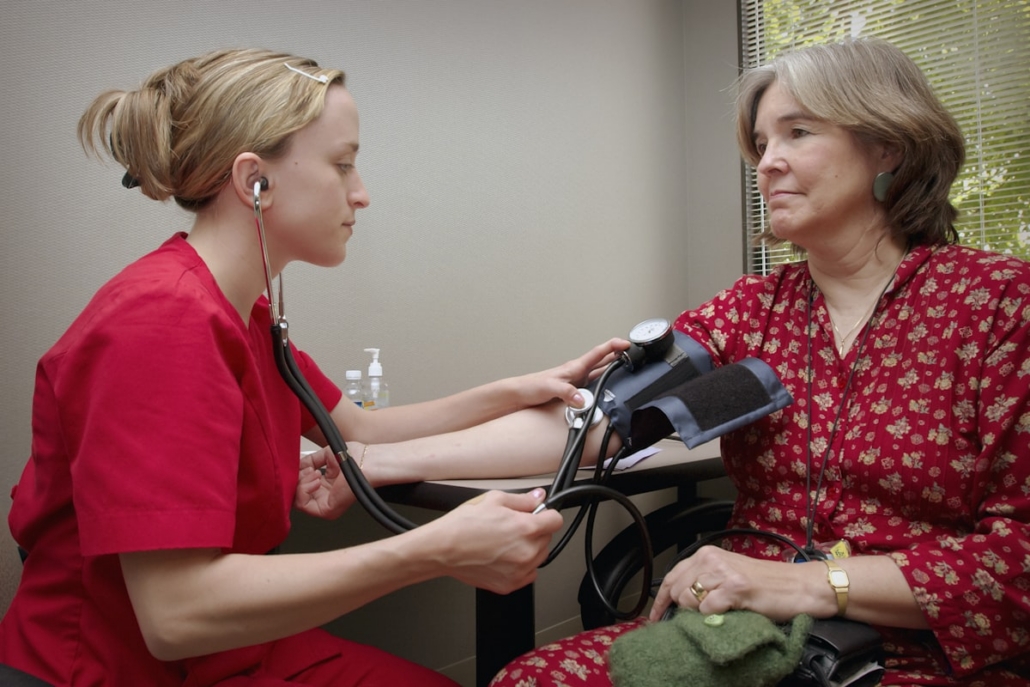
Table of Contents
Of all the substances people try to stop on their own, benzodiazepines are the one most often underestimated. The drug was prescribed by a doctor. The dose may never have gone up. There was no dramatic rock bottom. So when someone decides to stop, it rarely occurs to them that this is the withdrawal that most needs medical oversight.
It is. Benzodiazepine withdrawal is one of only two withdrawal syndromes, along with alcohol, that can be medically dangerous rather than simply miserable. That single fact should shape every decision about how someone comes off them.
Here is what makes this class different, what a supervised taper actually involves, and when a residential setting is the right call. If you are weighing this for yourself or a family member, our admissions team can talk it through at 855-778-8668.
Why benzodiazepine withdrawal is different
Benzodiazepines work by amplifying GABA, the brain system responsible for slowing things down. Taken consistently over time, the brain adapts by dialling its own calming machinery back, because it is being done for it.
Remove the medication quickly and that adaptation is suddenly exposed. The brake is gone and nothing has been rebuilt to replace it. The result is not just anxiety returning. It is a nervous system running without its regulator, which is why the symptom list includes physical events rather than only emotional ones.
This is also why dependence can develop without misuse. Someone who took the medication exactly as directed for a long enough period can still be physically dependent. That is pharmacology, not a character failure, and it is worth saying plainly because the shame around it stops people asking for help.
The risk that makes stopping abruptly dangerous
Abrupt discontinuation after sustained use carries a risk of seizures. It can also produce severe autonomic instability and, in serious cases, delirium. These are medical emergencies, not discomfort to be endured.
The risk is not evenly distributed, and it is not always predictable from the outside. Duration of use, how the medication was taken, other substances involved, and a person medical history all shift it. SAMHSA and ASAM both treat sedative withdrawal as requiring clinical assessment rather than self-management for exactly this reason.
What this means practically: nobody should be deciding on their own whether their use is long enough or heavy enough to matter. That is a clinical judgment, and it is free to ask.
What a supervised taper actually involves
Tapering means reducing gradually enough that the brain can rebuild its own regulation as the medication comes down, rather than being asked to cope with its sudden absence.
What that looks like in practice is individual, and deliberately so. A prescriber sets the pace based on the specific medication, how long it has been taken, how the person is responding, and what else is going on medically. A schedule that suits one person can be far too fast for another.
This is the part that most often goes wrong when people attempt it alone. The instinct is to push through, treat a hard week as weakness, and cut faster. In a supervised taper the opposite happens: a hard stretch is information, and the response is usually to hold or slow down rather than press on. Having someone qualified making that call removes an enormous amount of guesswork and fear.
Our medical detox program exists to provide that oversight, and you can read more about how we approach this class specifically on our benzodiazepine treatment page.
What monitoring looks like day to day
Supervision is not someone glancing in occasionally. It means vital signs checked on a schedule, symptoms tracked with a structured scale rather than a general impression, and a prescriber reviewing that record and adjusting.
It also means somebody is watching for the things a person in withdrawal cannot reliably assess in themselves. Sleep deteriorating, agitation climbing, perceptual changes, escalating tremor. These are the signals that determine whether the plan continues as written or changes today.
Alongside the medical layer there is a practical one that matters more than people expect. Meals happen. Sleep is supported. Nobody has to manage a household or a job in the middle of it. Removing those demands is not a luxury during this particular withdrawal; it materially affects how it goes.
Why the timeline is longer than most people expect
People often arrive expecting a defined number of days, because that is how detox is usually described. Benzodiazepines do not reliably work that way.
A responsible taper is generally measured in weeks rather than days, and sometimes longer. Symptoms can also fluctuate rather than improving in a straight line, with better stretches followed by harder ones. That pattern is normal and does not mean the process has failed, but it is genuinely demoralising if nobody has prepared you for it.
Being told this in advance is part of good care. Expecting a week and hitting week five is when people abandon the plan and return to the previous dose, which puts them back at the start.
Symptoms that outlast the taper
Some people experience symptoms that persist after the medication is fully discontinued, most commonly anxiety, sleep disruption and difficulty concentrating. This is recognised clinically and it is not imagined.
It is also not permanent for most people, and it responds to the ordinary work of recovery: structured sleep, activity, therapy that targets the anxiety directly rather than sedating it, and time. Knowing in advance that this stretch can happen makes it far easier to sit through without concluding that something has gone wrong.
When residential is the right setting
Not every taper needs a residential admission. Plenty are managed on an outpatient basis with good prescriber oversight, and where that is appropriate it is the less disruptive option.
Residential care makes sense when the risk profile or the environment argues for it: long-term or high-dose use, a previous withdrawal that went badly, other substances in the picture, significant medical or psychiatric conditions alongside it, or a home situation where completing a taper realistically is not going to happen. Where anxiety or another condition sits underneath the original prescription, treating both at once is usually what makes the result hold. You can see how we structure that on our residential treatment page.
What to do next
If you are currently taking a benzodiazepine and thinking about stopping, the first step is a conversation with a prescriber rather than a plan of your own. If you have already reduced or stopped and are feeling unwell, that warrants medical attention now rather than at the end of the week.
Our admissions team can assess where things stand and be straight with you about whether a residential admission is warranted or whether outpatient supervision is the more sensible route. Call 855-778-8668. If you are having a seizure, severe confusion or a medical emergency, call 911.
This article is for general educational purposes and is not medical advice. It does not describe dosing or tapering schedules, and it is not a substitute for evaluation by a qualified prescriber. Do not change how you take a prescribed medication without medical guidance. Information on benzodiazepine and sedative use is available from NIMH.