
Pregabalin (Lyrica) Before Rehab: What to Tell Intake
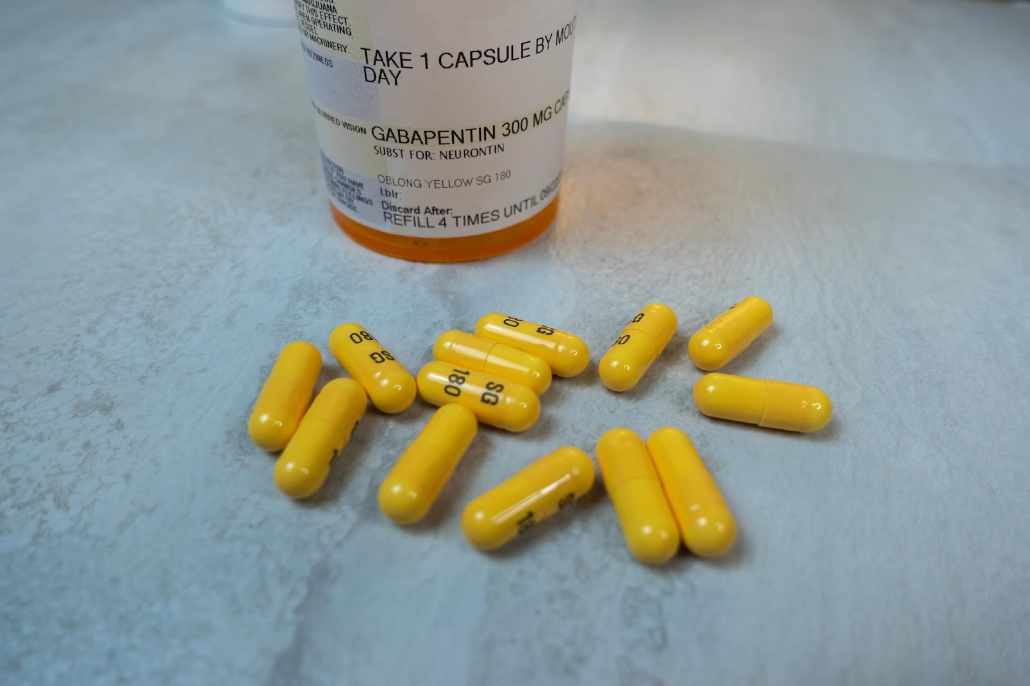
Table of Contents
Pregabalin, sold under the brand name Lyrica and as a generic, is one of the medications people most often leave off a rehab intake form. It was prescribed for nerve pain, fibromyalgia or seizures, it came from a regular doctor, and it doesn’t feel like “a drug” in the way alcohol, opioids or benzodiazepines do. For someone entering residential treatment for a substance use disorder, though, pregabalin matters a great deal: it affects how withdrawal is managed, which other medications are safe, and how the first night in a residence is supervised.
This guide explains what intake needs to know about pregabalin, why it matters, and what to have ready before you call. If you would rather talk it through now, our admissions team is at (855) 778-8668.
The one-paragraph answer
Pregabalin (Lyrica) is a Schedule V controlled substance in the United States, and its FDA prescribing information says it should be tapered gradually over a minimum of one week rather than stopped abruptly. For anyone entering residential addiction treatment who takes pregabalin, that means the medical team needs four facts before admission: the daily dose in milligrams, how much is actually being taken compared with the prescription, the time of the last dose, and whether alcohol, opioids or benzodiazepines are being used alongside it. Pregabalin is not detected by most standard urine drug screens, so intake relies on what the person reports, the pharmacy bottle, and the California CURES prescription record.
Why pregabalin changes the admission plan
Pregabalin belongs to a group of medications called gabapentinoids, along with gabapentin. On its own, taken as prescribed, it is a legitimate and useful medication for many people. The concern in addiction treatment is what happens when it is combined with other substances, taken in higher doses than prescribed, or stopped suddenly. Each of these is a separate mechanism, and intake staff will ask about all of them.
- Combined sedation: Pregabalin adds to the sedating effect of alcohol, opioids and benzodiazepines, and the FDA warned in 2019 that gabapentinoids taken with opioids or other central nervous system depressants can cause serious breathing problems.
- Abrupt discontinuation: Stopping pregabalin suddenly can cause withdrawal symptoms such as insomnia, nausea, headache, anxiety, sweating and diarrhea, which is why the label calls for a taper of at least a week.
- Seizure risk: In people who take pregabalin for a seizure disorder, stopping it abruptly can increase seizure frequency, and that risk overlaps with the seizure risk of alcohol and benzodiazepine withdrawal.
- Dose escalation: Some people, particularly those who also use opioids, take more than prescribed to intensify or extend the effect, which raises every other risk on this list.
- Hidden use: Because most routine drug screens do not test for pregabalin, use that isn’t disclosed is often invisible to the people planning care.
The National Institute on Drug Abuse explains how combining sedating substances, especially opioids and benzodiazepines, compounds the risk of slowed breathing and overdose. The same principle applies when pregabalin is part of the mix.
Alcohol, benzodiazepines and pregabalin together
The most important safety point in this article is not about pregabalin alone. Withdrawal from alcohol and withdrawal from benzodiazepines can both cause seizures, and both require medical supervision. They should never be attempted alone at home. When someone is also taking pregabalin, the withdrawal picture becomes harder to read: pregabalin can blunt some symptoms while it is being taken, and its own discontinuation symptoms can overlap with alcohol or benzodiazepine withdrawal.
The National Institute on Alcohol Abuse and Alcoholism lists alcohol-medication interactions that clinicians should screen for, and sedating medications taken with alcohol sit near the top of that concern. In practice, this is why a prescriber reviewing an admission will want to know the order of events: what was taken last, how much, and when. That information shapes whether someone needs medically supervised detox first, and how any taper is sequenced.
What intake will actually check
At a small residence, the admission process is personal and hands-on, and that cuts both ways. There is no large nursing unit that can absorb a surprise in the middle of the night, so the plan has to be right before the person arrives. Here is what typically happens with a medication like pregabalin.
The phone screen. Admissions staff ask about every substance and medication, including prescribed ones. Mention pregabalin by name, even if it seems unrelated to why you are seeking treatment.
The prescription record. California’s prescription drug monitoring program, CURES, records dispensed Schedule II through V controlled substances, which includes pregabalin. A prescriber reviewing an admission can see fill dates, quantities and prescribers. If you have more than one prescriber, or have filled early, it is better for that to come from you first. Our article on CURES reports at rehab admission explains what prescribers see.
The bottle. Licensed residential programs store and log residents’ medications. Pregabalin should arrive in its original pharmacy container with the label intact. If the remaining count doesn’t match the fill date and directions, that isn’t a reason to be turned away, but it is information the medical team needs to plan safely.
The plan. The prescriber decides whether pregabalin is continued at the current dose, tapered over a period of at least a week, or adjusted because of other medications. That decision depends on why it was prescribed in the first place.
When pregabalin treats a co-occurring condition
Many people take pregabalin for a real, ongoing problem: diabetic nerve pain, nerve pain after shingles, fibromyalgia, or a seizure disorder. Some were prescribed it for anxiety. Entering treatment for a substance use disorder does not mean those conditions disappear, and stopping a medication that controls pain or seizures without a plan can create a new crisis.
This is where dual diagnosis care matters. When chronic pain, anxiety or another co-occurring condition sits alongside alcohol or drug use, both need to be addressed together. Our dual diagnosis treatment page describes how co-occurring conditions are treated alongside substance use in a residential setting. For someone with chronic pain, the conversation might include non-sedating pain approaches, physical therapy, or a slower taper coordinated with the original prescriber.
What to do today, before you call
You can make the admission call faster and safer by gathering this information now. It takes about ten minutes.
- Find the pharmacy bottle. Write down the strength in milligrams, the directions on the label, and the date it was filled.
- Count what is left. Compare it with how many should remain if you had taken it exactly as directed.
- Write down how much you actually take in a typical day, even if it differs from the label. Honest numbers protect you.
- Note the time of your last dose, and the last time you drank alcohol or used any opioid, benzodiazepine or sleep medication.
- List every prescriber who has written for pregabalin or gabapentin in the past year.
- Write down why it was prescribed: nerve pain, fibromyalgia, seizures or anxiety.
Then ask the admissions team one specific question: “Will my pregabalin be continued, tapered over at least a week, or changed, and who makes that decision before I arrive?” A clear answer to that question is a good sign that the program has a prescriber reviewing admissions in advance.
Do not stop pregabalin on your own to “get clean” before admission. The safest place to adjust it is under medical supervision.
Signs of an emergency
Call 911 if someone who has taken pregabalin with alcohol, opioids or other sedatives is very hard to wake, is breathing slowly or shallowly, has blue or grey lips, or has a seizure. If opioids may be involved, give naloxone if it’s available; the National Institute on Drug Abuse explains how naloxone works. Poison Control is available at 1-800-222-1222. If you or someone you love is having thoughts of suicide, call or text 988.
For confidential, free treatment referral at any hour, the SAMHSA National Helpline is available at 1-800-662-4357.
Talk to us about the medications you take
Annandale Behavioral Health is a private, six-bed residence in the Pasadena area offering residential treatment for adults with substance use disorders, including those with co-occurring mental health conditions. If you or someone you love takes pregabalin and is thinking about treatment for alcohol or drug use, call us at (855) 778-8668. Have the bottle in front of you, and we will walk through what our medical team needs to know.
This article is for educational purposes only and is not medical advice. Do not start, stop or change any medication without talking to your prescriber. If you are in immediate danger, call 911.