
 https://annandalebh.com/wp-content/uploads/first-week-residential-addiction-treatment-hero.jpg
796
1200
Marissa Romero
https://annandalebh.com/wp-content/uploads/annandale-white-1.png
Marissa Romero2026-06-08 15:32:252026-06-11 18:45:31What Actually Happens in the First Week of Residential Addiction Treatment
https://annandalebh.com/wp-content/uploads/first-week-residential-addiction-treatment-hero.jpg
796
1200
Marissa Romero
https://annandalebh.com/wp-content/uploads/annandale-white-1.png
Marissa Romero2026-06-08 15:32:252026-06-11 18:45:31What Actually Happens in the First Week of Residential Addiction TreatmentWhen someone reaches the point where weekly therapy or outpatient care is no longer enough, a higher level of structure becomes essential. Annandale Behavioral Health offers a fully immersive residential treatment program that families in Los Angeles can trust when stability, supervision, and daily therapeutic engagement are necessary.
Inpatient care is not simply “staying at a facility.” It is a deliberate reset. It creates distance from unhealthy environments, daily pressures, and access to substances — replacing them with a steady rhythm of clinical work, accountability, and 24-hour support. Our residential treatment centers Los Angeles provide that protected space, allowing real behavioral change to take root.
What Is Residential Treatment in Los Angeles?
A residential drug treatment center Los Angeles provides live-in care for individuals struggling with substance use and co-occurring mental health concerns. Clients reside onsite while participating in a structured schedule of therapy, psychiatric services, and recovery-focused activities throughout the week.
Within our residential drug treatment programs in Los Angeles, individuals:
- Stay in a secure, professionally staffed setting
- Engage in daily therapeutic programming
- Meet consistently with licensed clinicians
- Receive medication oversight when appropriate
- Develop healthy routines that replace chaotic patterns
Unlike outpatient services where clients return home each evening, inpatient care creates separation from triggers and high-risk influences. This separation often allows the brain and body to stabilize in ways that are difficult to achieve in an unstructured environment.
Residential treatment is especially valuable for those who need continuous support while building new coping strategies.
The Daily Experience Inside Our Residential Treatment Program Los Angeles
One of the most powerful elements of inpatient care is routine. Many individuals entering treatment have been living in cycles of unpredictability — sleep disruption, emotional volatility, or impulsive behavior. Structure restores balance.
Inside our residential treatment program Los Angeles, each day follows a thoughtfully designed flow that encourages momentum without overwhelm.
A typical weekday may include:
- Morning goal-setting or clinical check-in
- Therapist-led process group
- Skills-based workshops focused on relapse prevention
- Individual counseling sessions
- Educational discussions about addiction and mental health
- Scheduled time for journaling or guided reflection
- Evening group to consolidate the day’s progress
There is intention behind every block of time. Breaks are scheduled. Meals occur at consistent hours. Sleep routines are supported. The predictability itself becomes therapeutic.
Because our residential treatment centers Los Angeles maintain a focused census, clinicians are able to provide meaningful attention rather than generalized oversight.
Our Facility: A 24-Hour Healing Environment
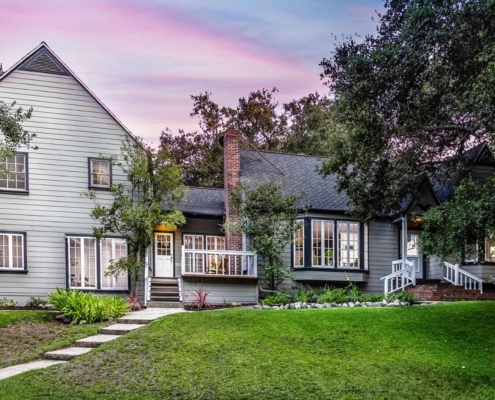
The setting of a residential drug treatment center Los Angeles plays a critical role in recovery. Stressful or institutional-feeling environments can increase anxiety and resistance. We have designed our inpatient space to feel calm, discreet, and grounded.
Clients in our residential treatment programs in LA have access to:
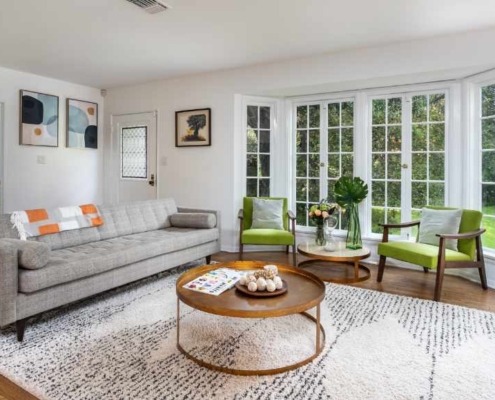
- Comfortable bedrooms designed for rest and privacy
- Inviting shared spaces for group therapy
- Outdoor areas for fresh air and quiet reflection
- Secure entry and confidential admissions procedures
- Onsite staff present at all hours
The 24/7 model ensures that help is never “off the clock.” Whether someone is struggling with insomnia at 2 a.m. or emotional distress late in the evening, trained professionals are available.
That continuity of care often makes the difference between a moment of discomfort and a setback.
Clinical Depth in Residential Drug Treatment Programs in Los Angeles
Inpatient care is intensive by design. Clients do not attend a single therapy session per week — they engage in multiple therapeutic interventions daily.
Our residential drug treatment center Los Angeles incorporates:
Individual Therapy
Private sessions allow clients to explore personal history, emotional triggers, relationship patterns, and underlying drivers of substance use.
Structured Group Therapy
Group work builds communication skills, accountability, and peer insight. It also challenges isolation, which often accompanies addiction.
Behavioral Skill Development
Clients learn and practice tools to manage cravings, reduce impulsivity, and navigate stress without returning to substances.
Psychiatric Evaluation and Monitoring
Medication assessments, symptom tracking, and stabilization services are integrated into the treatment plan when appropriate.
Because clients are onsite continuously, clinicians can observe real-time behavioral patterns — how someone responds to conflict, fatigue, or stress. This immediate feedback loop strengthens treatment outcomes.
Who Should Consider Residential Treatment Centers Los Angeles?
A residential treatment program Los Angeles is often recommended for individuals who:
- Have relapsed after outpatient treatment
- Use multiple substances
- Struggle with severe cravings
- Experience mood instability or untreated mental health symptoms
- Do not have a safe or supportive home environment
- Need consistent supervision during early recovery
Residential care can also be beneficial for executives, creatives, or professionals who require discretion while stepping away to focus fully on recovery.
Living onsite allows clients to pause outside obligations and direct their full energy toward stabilization and growth.
Why 24/7 Supervision Matters
Continuous staffing is not only about monitoring — it creates a therapeutic safety net.
Within our residential drug treatment center Los Angeles, staff remain available throughout the night and weekends. Emotional triggers do not adhere to business hours. Neither does addiction.
Around-the-clock presence allows for:
- Immediate intervention if distress escalates
- Support for sleep disturbances
- Guidance during difficult emotional processing
- Reinforcement of coping strategies in real time
Small breakthroughs often occur outside formal therapy sessions — during informal conversations, shared reflections, or quiet support when someone feels vulnerable. That is the advantage of true inpatient care.
How Long Does Residential Treatment Last?
The length of stay in residential drug treatment programs in Los Angeles varies based on clinical need. Many individuals participate for 30 to 90 days, though recommendations are based on progress and stability rather than a predetermined date.
Extended time in a structured environment often allows for:
- More consistent behavioral change
- Stronger emotional regulation
- Reduced impulsivity
- Improved clarity around personal goals
Our residential treatment centers Los Angeles focus on readiness for transition — not rushing discharge.
Preparing for Life After Residential Treatment
Completing inpatient care is a milestone, but it is not the end of the recovery process. Before leaving our residential treatment program Los Angeles, each client works with the clinical team to develop a forward-looking plan.
This may include:
- Continued outpatient therapy
- Ongoing psychiatric follow-up
- Community-based recovery meetings
- Accountability structures
- Environmental changes to reduce exposure to triggers
The goal is not abrupt independence. It is a steady and supported transition.
Residential Treatment Los Angeles at Annandale Behavioral Health
Choosing among residential treatment facilities in Los Angeles can feel overwhelming. What truly differentiates inpatient programs is the consistency of care, the depth of clinical oversight, and the steadiness of the environment.
At Annandale Behavioral Health, our residential drug treatment center in LA provides 24-hour supervision, structured daily programming, and a focused therapeutic setting designed for meaningful change.
If you are considering a residential drug treatment programs for yourself or someone you care about, call us at (855) 778-8668, or reach out to our admissions team is available to discuss clinical needs, scheduling, and next steps.
Recovery requires space, structure, and sustained support. Residential treatment provides all three — under one roof.
Learn more about our Residental Rehab









191052AP
Exp. 07/31/26
LATEST NEWS
 The Pink Cloud in Early Recovery: Why It’s Risky and How to Stay GroundedJune 4, 2026 - 2:23 pm
 Returning to Work After Addiction Treatment: A Practical Guide for the First 30 DaysJune 3, 2026 - 11:26 am
 The First 90 Days of Sobriety: What to Expect and How to Build a Foundation That LastsJune 2, 2026 - 12:53 pm
 The First 72 Hours of Alcohol Detox: What to Expect During Medical Withdrawal ManagementMay 23, 2026 - 10:56 am