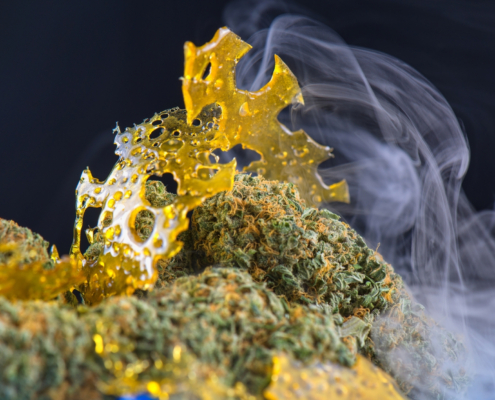
 https://annandalebh.com/wp-content/uploads/shatter-weed.jpg
1260
2240
Staff
https://annandalebh.com/wp-content/uploads/annandale-white-1.png
Staff2020-12-28 16:30:122026-07-01 08:44:13Shatter Weed : Dangers and Side Effects
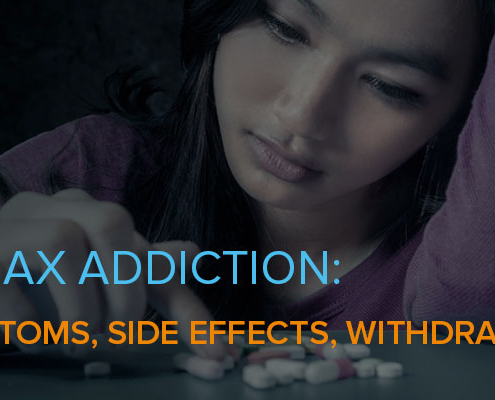 https://annandalebh.com/wp-content/uploads/Xanax-addiction.jpg
400
730
Staff
https://annandalebh.com/wp-content/uploads/annandale-white-1.png
Staff2020-12-25 01:46:292026-07-01 08:44:15Xanax Bars Addiction and Dependency
 https://annandalebh.com/wp-content/uploads/stimulant-use-disorder-treatment-cocaine-meth-branded-hero.jpg
800
1200
Marissa Romero
https://annandalebh.com/wp-content/uploads/annandale-white-1.png
Marissa Romero2026-06-11 16:24:212026-07-06 17:43:00Stimulant Use Disorder: Why There’s No Detox Pill for Cocaine and Meth — and What Treatment Actually Works
 https://annandalebh.com/wp-content/uploads/when-someone-refuses-treatment-family-playbook-hero.jpg
675
1200
Marissa Romero
https://annandalebh.com/wp-content/uploads/annandale-white-1.png
Marissa Romero2026-06-10 10:20:072026-07-06 17:43:01What Happens If Someone Refuses to Go to Treatment: The Family’s Practical Playbook
 https://annandalebh.com/wp-content/uploads/benzodiazepine-withdrawal-medical-detox-branded-hero.jpg
800
1200
Marissa Romero
https://annandalebh.com/wp-content/uploads/annandale-white-1.png
Marissa Romero2026-06-10 10:01:392026-07-06 17:43:03Benzodiazepine Withdrawal: Why Quitting Cold Turkey Is Dangerous and How Medical Detox Keeps You Safe
 https://annandalebh.com/wp-content/uploads/first-week-residential-addiction-treatment-hero.jpg
796
1200
Marissa Romero
https://annandalebh.com/wp-content/uploads/annandale-white-1.png
Marissa Romero2026-06-08 15:32:252026-07-06 17:43:04What Actually Happens in the First Week of Residential Addiction Treatment
 https://annandalebh.com/wp-content/uploads/signs-residential-addiction-care-hero.jpg
800
1200
Marissa Romero
https://annandalebh.com/wp-content/uploads/annandale-white-1.png
Marissa Romero2026-06-05 13:19:002026-07-06 17:43:05How to Know When Outpatient Treatment Isn’t Enough: Signs Someone Needs Residential Addiction Care
 https://annandalebh.com/wp-content/uploads/medication-assisted-treatment-opioid-use-disorder-branded-hero.jpg
800
1200
Marissa Romero
https://annandalebh.com/wp-content/uploads/annandale-white-1.png
Marissa Romero2026-06-03 15:43:172026-07-06 17:43:06Medication-Assisted Treatment for Opioid Use Disorder: How MAT Works and Why It Isn’t “Replacing One Drug With Another”
 https://annandalebh.com/wp-content/uploads/sober-memorial-day-weekend-recovery-scaled.jpg
1440
2560
Marissa Romero
https://annandalebh.com/wp-content/uploads/annandale-white-1.png
Marissa Romero2026-05-22 12:10:542026-10-22 10:14:48Sober Memorial Day Weekend: Protecting Your Recovery Through Holiday Triggers
 https://annandalebh.com/wp-content/uploads/fentanyl-los-angeles-treatment-guide-2026-1.jpg
525
1000
Marissa Romero
https://annandalebh.com/wp-content/uploads/annandale-white-1.png
Marissa Romero2026-05-14 22:35:382026-06-30 21:09:16Fentanyl in Los Angeles: A 2026 Treatment Guide for Patients and Families
 https://annandalebh.com/wp-content/uploads/how-long-should-rehab-be-30-60-90-days.jpg
525
1000
Marissa Romero
https://annandalebh.com/wp-content/uploads/annandale-white-1.png
Marissa Romero2026-05-06 13:59:372026-08-18 08:21:56How Long Should Rehab Be? 30, 60, or 90 Days — What the Research Says
 https://annandalebh.com/wp-content/uploads/high-functioning-alcoholic-signs-treatment.jpg
525
1000
Marissa Romero
https://annandalebh.com/wp-content/uploads/annandale-white-1.png
Marissa Romero2026-05-06 13:58:462026-08-18 08:21:54The High-Functioning Alcoholic: Signs, Risks, and When to Seek Treatment