
 https://annandalebh.com/wp-content/uploads/shatter-weed.jpg
1260
2240
Staff
https://annandalebh.com/wp-content/uploads/annandale-white-1.png
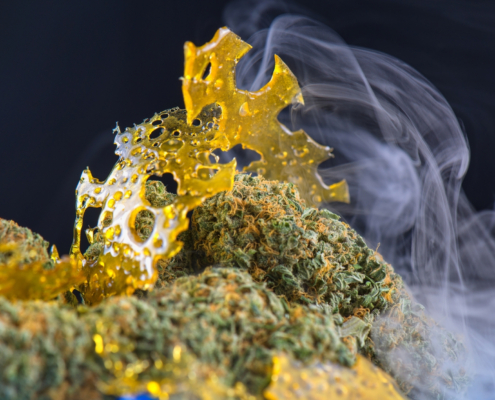
Staff2020-12-28 16:30:122026-07-01 08:44:13Shatter Weed : Dangers and Side Effects
 https://annandalebh.com/wp-content/uploads/Xanax-addiction.jpg
400
730
Staff
https://annandalebh.com/wp-content/uploads/annandale-white-1.png
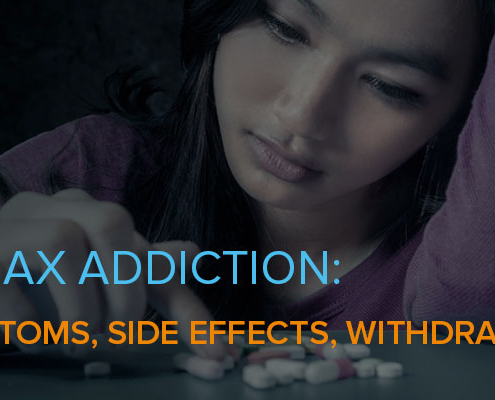
Staff2020-12-25 01:46:292026-07-01 08:44:15Xanax Bars Addiction and Dependency
 https://annandalebh.com/wp-content/uploads/ppo-insurance-residential-addiction-treatment-coverage.jpg
720
1280
Marissa Romero
https://annandalebh.com/wp-content/uploads/annandale-white-1.png
Marissa Romero2026-09-24 13:30:392026-09-24 13:30:39Appealing a Denied Insurance Claim for Residential Rehab
 https://annandalebh.com/wp-content/uploads/medicaltreatment.jpg
800
1600
Marissa Romero
https://annandalebh.com/wp-content/uploads/annandale-white-1.png
Marissa Romero2026-09-18 13:26:292026-09-18 13:26:29Skin Infections and Injection Drug Use in Detox
 https://annandalebh.com/wp-content/uploads/medical-detox-safe-older-adults-over-60.jpg
715
1200
Marissa Romero
https://annandalebh.com/wp-content/uploads/annandale-white-1.png
Marissa Romero2026-09-18 07:26:472026-09-18 07:26:47Cannabis Hyperemesis Syndrome and Residential Care
 https://annandalebh.com/wp-content/uploads/splash2.jpg
1333
2000
Marissa Romero
https://annandalebh.com/wp-content/uploads/annandale-white-1.png
Marissa Romero2026-09-17 13:26:112026-09-17 13:26:11DXM Misuse: Risks and Residential Treatment
 https://annandalebh.com/wp-content/uploads/sunrise-recovery-relapse-prevention.jpg
1029
1600
Marissa Romero
https://annandalebh.com/wp-content/uploads/annandale-white-1.png
Marissa Romero2026-09-16 13:25:172026-09-16 13:25:17Anhedonia in Early Recovery: When Nothing Feels Good
 https://annandalebh.com/wp-content/uploads/medication-assisted-treatment-opioid-use-disorder-hero.jpg
800
1200
Marissa Romero
https://annandalebh.com/wp-content/uploads/annandale-white-1.png
Marissa Romero2026-09-16 07:27:012026-09-16 07:27:01Loperamide Misuse: A Hidden Risk in Opioid Detox
 https://annandalebh.com/wp-content/uploads/benzodiazepine-detox-at-home.jpg
720
1280
Marissa Romero
https://annandalebh.com/wp-content/uploads/annandale-white-1.png
Marissa Romero2026-09-15 13:25:292026-09-15 13:25:29Phenibut Withdrawal: Why Detox Needs Supervision
 https://annandalebh.com/wp-content/uploads/medication-assisted-treatment-opioid-use-disorder-branded-hero-1.jpg
800
1200
Marissa Romero
https://annandalebh.com/wp-content/uploads/annandale-white-1.png
Marissa Romero2026-09-15 08:42:032026-09-15 08:42:03Chronic Pain and Opioid Use Disorder in Recovery
 https://annandalebh.com/wp-content/uploads/leave-detox-against-medical-advice.jpg
1067
1600
Marissa Romero
https://annandalebh.com/wp-content/uploads/annandale-white-1.png
Marissa Romero2026-09-14 13:25:432026-09-14 13:25:43GHB Withdrawal: Why Medical Supervision Matters
 https://annandalebh.com/wp-content/uploads/lose-sleep-2.jpg
1414
2121
Marissa Romero
https://annandalebh.com/wp-content/uploads/annandale-white-1.png
Marissa Romero2026-09-14 07:26:052026-09-14 07:26:05Insomnia in Early Recovery: Sleep and Relapse Risk