
The Alcohol Withdrawal Kindling Effect: Why Each Detox Gets Riskier
Table of Contents
This article is for general educational purposes and is not a substitute for medical advice. If you or a loved one is experiencing alcohol withdrawal symptoms, seek medical evaluation right away. Withdrawal can become life-threatening without professional supervision.
The alcohol withdrawal kindling effect is one of the most important reasons clinicians treat repeated detox attempts with extra caution. Each time a person who is physically dependent on alcohol stops drinking and goes through withdrawal, the nervous system becomes a little more sensitized. The next withdrawal episode tends to start sooner, feel more intense, and carry a higher risk of seizures or delirium. For someone who has tried to quit drinking on their own several times, this isn’t a moral failure or a sign of weakness. It’s a measurable change in how the brain responds, and it has real implications for safety in early recovery.
At Annandale Behavioral Health in Los Angeles, our medical team often meets people whose third or fourth withdrawal felt nothing like their first. Understanding the kindling effect helps explain why supervised medical detox matters more, not less, with each subsequent attempt to stop drinking.
What Is the Alcohol Withdrawal Kindling Effect?
The term “kindling” was borrowed from neuroscience research on seizure disorders, where repeated subthreshold electrical stimulation of certain brain regions eventually produces full seizures. Researchers studying alcohol use disorder noticed a similar pattern: repeated cycles of heavy drinking followed by withdrawal appear to lower the threshold at which the next withdrawal becomes severe. The National Institute on Alcohol Abuse and Alcoholism (NIAAA) describes kindling as a progressive intensification of withdrawal symptoms across repeated episodes, with seizure risk in particular increasing with the number of prior detoxifications.
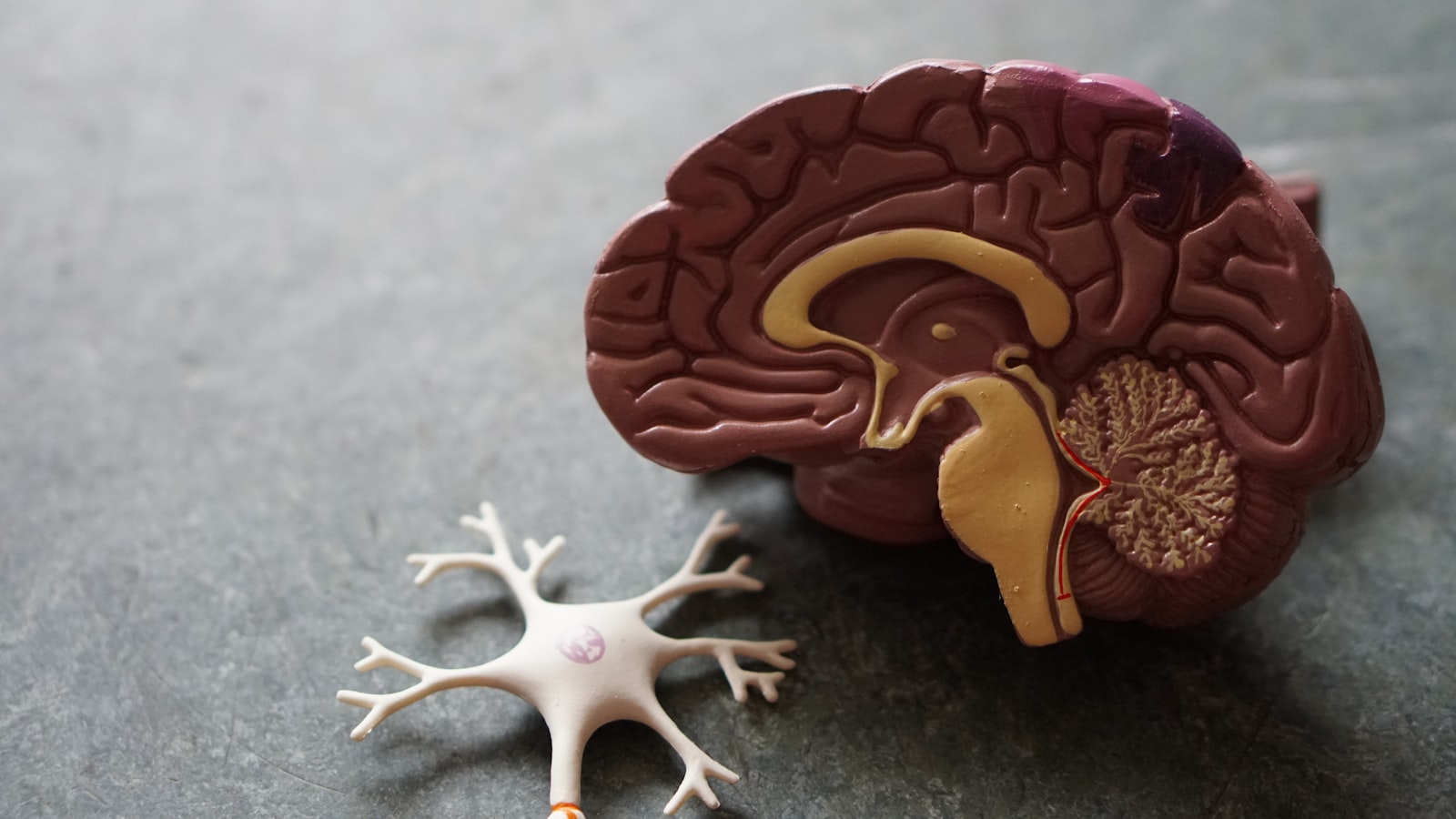
Mechanistically, chronic alcohol use suppresses the brain’s main excitatory system (glutamate, especially NMDA receptors) and amplifies its main inhibitory system (GABA). When alcohol is suddenly removed, the brain swings in the opposite direction — excitability surges while inhibition drops. With each repeated cycle, the neuroadaptations seem to compound rather than reset, leaving the person more vulnerable the next time.
Why Each Withdrawal Can Get Worse, Not Easier
It’s a common assumption that quitting will be easier the second or third time because the person “knows what to expect.” Clinically, the opposite is often true. A first withdrawal might involve tremor, anxiety, sweating, and a few rough nights. A fourth or fifth, especially after months or years of heavy drinking between attempts, may bring:
- Earlier onset of symptoms (sometimes within 4–6 hours of the last drink rather than 12+)
- More severe autonomic instability — rapid heart rate, dangerously high blood pressure
- Higher likelihood of withdrawal seizures, even in people who never had one before
- Greater risk of delirium tremens (DTs), a medical emergency with significant mortality if untreated
- More intense and prolonged psychological symptoms, including hallucinations
A 2023 review in peer-reviewed addiction medicine literature reinforces that prior withdrawal episodes are an independent risk factor for severe withdrawal complications, separate from how much someone is currently drinking. In other words, the history matters — not just the present.
Who Is Most at Risk for Kindling-Related Withdrawal
The kindling effect doesn’t apply equally to everyone who drinks. The strongest risk factors include:
- Multiple prior detox attempts, whether medically supervised or self-managed
- A history of withdrawal seizures or DTs at any point
- Long-standing heavy daily drinking (typically a year or more)
- Co-occurring benzodiazepine, opioid, or stimulant use, which complicates the picture
- Older adults, whose physiology tolerates withdrawal less well
- Untreated co-occurring conditions like anxiety disorders, bipolar disorder, or PTSD that often drive the drinking
If any of these apply, attempting to detox at home becomes meaningfully riskier with each round. This is also where dual diagnosis treatment becomes essential: treating only the withdrawal without addressing the underlying mental health condition often sets up the next relapse and the next, more dangerous withdrawal.
Why Supervised Medical Detox Becomes More Important, Not Less
Some people who have detoxed several times before assume they can “tough it out” one more time at home. Kindling research tells us this assumption is dangerous. Symptoms of a Stage 3 alcohol withdrawal — seizures, severe autonomic instability, delirium tremens — can develop with little warning in someone with a kindled history, and the CDC notes that excessive alcohol use contributes to thousands of preventable deaths annually, with withdrawal complications among them.
Supervised medical detox addresses kindling risk in several specific ways:
- Benzodiazepine protocols (typically long-acting agents like chlordiazepoxide or diazepam) calm the overexcited nervous system and reduce seizure risk
- Symptom-triggered scoring tools like CIWA-Ar allow medication to be matched to actual severity rather than guessed
- Continuous monitoring of vital signs catches autonomic instability before it becomes dangerous
- Anticonvulsants and adjunctive medications may be added when seizure history is documented
- IV fluids, thiamine, and electrolyte correction prevent secondary complications like Wernicke’s encephalopathy
This level of care isn’t available in an outpatient setting. It requires 24/7 nursing presence, physician oversight, and an environment where someone can be safely watched through the highest-risk hours. Our residential treatment program begins with this medically managed phase precisely because the first 72 hours determine so much of what’s possible afterward.
What Happens After Detox: Breaking the Cycle
Successfully completing one more detox doesn’t undo kindling — but staying sober long-term does begin to allow the nervous system to recalibrate. The American Society of Addiction Medicine (ASAM) emphasizes that detox alone is not treatment for alcohol use disorder. Without follow-up care, the relapse rate is high — and each relapse-and-withdrawal cycle reinforces the kindling pattern.
What actually breaks the cycle is what comes after medical stabilization:
- Continued residential addiction treatment in a structured environment that gives the brain time to begin healing
- FDA-approved medications for alcohol use disorder (naltrexone, acamprosate, disulfiram) used as part of medication-assisted treatment when clinically appropriate
- Therapy that addresses the underlying drivers — whether trauma, depression, anxiety, or chronic pain
- Strong family and peer recovery support
- Relapse prevention planning that anticipates high-risk situations
People who engage in this fuller continuum are far more likely to interrupt the kindling trajectory than those who cycle in and out of detox alone.
If You’ve Detoxed Before, Please Don’t Do It Alone Again
If you or someone you love has been through alcohol withdrawal once and is considering quitting again, the safest path is a medically supervised setting — especially if there have been prior seizures, prior DTs, daily heavy drinking, or co-occurring mental health concerns. The kindling effect means each unsupervised attempt carries cumulative risk, and that risk is preventable with the right level of care.
At Annandale Behavioral Health, our medical and clinical teams build detox and stabilization plans around your specific history — including prior withdrawal episodes — and then transition you into the residential and dual diagnosis care that gives long-term recovery a real chance. To talk through what your situation looks like and what your next step could be, call our admissions team at 855-778-8668 or reach out online. If you are experiencing a mental health crisis, call or text 988 for the Suicide and Crisis Lifeline.