
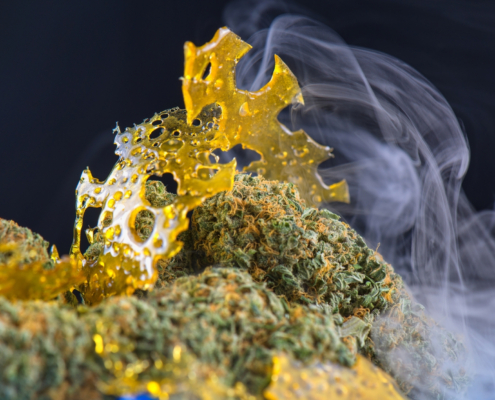
 https://annandalebh.com/wp-content/uploads/shatter-weed.jpg
1260
2240
Staff
https://annandalebh.com/wp-content/uploads/annandale-white-1.png
Staff2020-12-28 16:30:122026-07-01 08:44:13Shatter Weed : Dangers and Side Effects
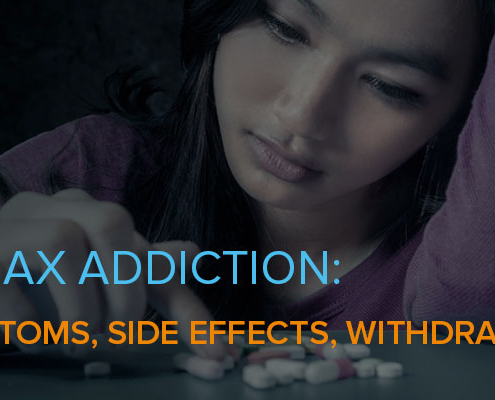 https://annandalebh.com/wp-content/uploads/Xanax-addiction.jpg
400
730
Staff
https://annandalebh.com/wp-content/uploads/annandale-white-1.png
Staff2020-12-25 01:46:292026-07-01 08:44:15Xanax Bars Addiction and Dependency
 https://annandalebh.com/wp-content/uploads/support.jpg
667
1000
Marissa Romero
https://annandalebh.com/wp-content/uploads/annandale-white-1.png
Marissa Romero2026-09-11 13:27:312026-09-11 13:27:31Ketamine Use Disorder: Signs, Harms, and Residential Care
 https://annandalebh.com/wp-content/uploads/residential-addiction-treatment-group-therapy.jpg
1067
1600
Marissa Romero
https://annandalebh.com/wp-content/uploads/annandale-white-1.png
Marissa Romero2026-09-11 10:12:462026-09-11 10:12:46Recovery Capital: The Resources That Make Recovery From Substance Use Last
 https://annandalebh.com/wp-content/uploads/What-Is-Medication-Assisted-Treatment-1.jpg
1024
1536
Marissa Romero
https://annandalebh.com/wp-content/uploads/annandale-white-1.png
Marissa Romero2026-09-10 07:25:582026-09-10 07:25:58Gabapentin Dependence and Withdrawal in Detox
 https://annandalebh.com/wp-content/uploads/annandale-family-support-residential-addiction-treatment-unsplash-1787182562907.jpg
900
1600
Marissa Romero
https://annandalebh.com/wp-content/uploads/annandale-white-1.png
Marissa Romero2026-09-09 20:35:542026-09-11 11:26:20The Week After a DUI Arrest: What Families Should and Should Not Do
 https://annandalebh.com/wp-content/uploads/alone-1.jpg
1412
2124
Marissa Romero
https://annandalebh.com/wp-content/uploads/annandale-white-1.png
Marissa Romero2026-09-09 13:25:362026-09-09 13:26:10Nitrous Oxide (Whippets): Harms and Residential Care
 https://annandalebh.com/wp-content/uploads/fentanyl-withdrawal-care-annandale.jpg
900
1600
Marissa Romero
https://annandalebh.com/wp-content/uploads/annandale-white-1.png
Marissa Romero2026-09-08 13:28:342026-09-08 13:28:34Xylazine and Fentanyl: What It Changes in Detox
 https://annandalebh.com/wp-content/uploads/opioid-dependence-timeline-annandale.jpg
1131
1600
Marissa Romero
https://annandalebh.com/wp-content/uploads/annandale-white-1.png
Marissa Romero2026-09-07 13:26:342026-09-07 13:26:34Kratom Dependence: Withdrawal and Residential Care
 https://annandalebh.com/wp-content/uploads/stimulant-use-disorder-treatment-cocaine-meth-hero-1.jpg
800
1200
Marissa Romero
https://annandalebh.com/wp-content/uploads/annandale-white-1.png
Marissa Romero2026-09-07 07:26:242026-09-07 07:26:24Alcohol and Cocaine Together: The Cocaethylene Risk
 https://annandalebh.com/wp-content/uploads/annandale-anxiety-early-recovery-what-helps-unsplash-1787186946119.jpg
900
1600
Marissa Romero
https://annandalebh.com/wp-content/uploads/annandale-white-1.png
Marissa Romero2026-09-04 13:26:472026-09-04 13:26:47Nicotine and Recovery: Quitting During Residential Rehab
 https://annandalebh.com/wp-content/uploads/stimulant-use-disorder-treatment-cocaine-meth-branded-hero-1.jpg
800
1200
Marissa Romero
https://annandalebh.com/wp-content/uploads/annandale-white-1.png
Marissa Romero2026-09-03 13:26:592026-09-03 13:26:59Contingency Management for Stimulant Recovery