
Safe Medical Withdrawal Management
Deciding to stop using drugs or alcohol is one of the most courageous decisions a person can make. What comes next — the physical process of withdrawal — is the part many people fear most. Depending on the substance, withdrawal can range from deeply uncomfortable to medically dangerous. This is why medical detox is not optional for many people: it is the safest and most effective way to begin recovery.
At Annandale Behavioral Health, our California medical detox program provides 24/7 physician oversight, medication-assisted withdrawal management, and around-the-clock nursing care for clients across the state. We specialize in private, intimate detox in our 6-bed residential setting in Pasadena — close to Los Angeles and accessible from throughout Southern and Northern California. Unlike facilities that run detox as a separate, standalone service, Annandale integrates detox directly into a full continuum of care. Clients who complete detox with us transition seamlessly into residential treatment with the same clinical team — no new providers, no disruption in care, no gap between stabilization and recovery.
Call (855) 778-8668 for a free, confidential consultation. Most private PPO insurance plans accepted.
What Is Medical Detox?
Understanding the Process
Medical detox — also referred to as medically supervised withdrawal management — is the process of safely removing addictive substances from the body under clinical care.
It is the medically correct first step for anyone who has developed a physical dependence on alcohol, opioids, benzodiazepines, or other substances.
The key distinction between medical detox and attempting to quit on your own is supervision. Many withdrawal syndromes produce symptoms — seizures, delirium tremens, cardiac complications, severe dehydration — that can be life-threatening without proper medical management. Even when withdrawal is not immediately dangerous, the physical discomfort of going through it without support is one of the leading causes of early relapse.
Detox alone is not treatment. It is a necessary first stage — one that, when done correctly, sets the foundation for the therapeutic work that follows. At Annandale, detox is the beginning of recovery, not the end.
- A comprehensive intake assessment — medical history, substance use history, co-occurring conditions, current medications
- Continuous vital sign monitoring and clinical observation by licensed nursing staff
- Medication-assisted treatment (MAT) protocols tailored to the substance and severity of dependence
- On-call physician access 24/7 for medication adjustments, complications, and urgent clinical decisions
- Psychiatric support for dual diagnosis clients throughout the detox process
- Daily check-ins with the assigned therapist to begin addressing psychological components of withdrawal
- Nutritional and hydration support — a private chef prepares meals designed around physical recovery
What to Expect During Detox at Annandale Behavioral Health
Stage 1: Admission and Clinical Assessment
Every client begins with a thorough clinical evaluation conducted by our medical team on the day of admission. This assessment covers:
- Complete medical history and current physical health status
- Substance use history — substances used, duration, frequency, last use
- Co-occurring mental health diagnoses and current psychiatric medications
- Previous detox attempts and any complications experienced
- Family history and psychosocial circumstances
This evaluation determines the appropriate detox protocol, the level of medical supervision required, and the medications that will be used to manage withdrawal. No two clients receive the same protocol — individualization begins at the first hour.
Stage 2: Active Withdrawal Management
During active withdrawal, clients are monitored around the clock by our clinical team. Vital signs are checked regularly, medications are adjusted based on symptom presentation, and psychological support is available throughout. The goal is to manage withdrawal symptoms as effectively as possible while maintaining medical safety.
Most clients describe their experience of medically managed detox as significantly more tolerable than they expected. The combination of appropriate medications, nutritional support, comfortable private accommodations, and the presence of a dedicated care team makes a profound difference to both the physical and psychological experience of withdrawal.
Stage 3: Stabilization and Transition to Residential Treatment
Once acute withdrawal has resolved — typically 5–10 days depending on the substance and individual factors — clients enter the stabilization phase before transitioning into residential treatment. This transition happens within the same program, with the same clinical team, and without any gap in care.
During stabilization, clients:
- Begin individual therapy sessions with their assigned therapist
- Receive a full psychiatric evaluation if a co-occurring condition is present
- Start medication management protocols for any dual diagnosis conditions
- Participate in initial group sessions and holistic programming
- Work with their case manager to develop the residential treatment plan
Substance Abuse or Misuse
Mental Health
Alcohol Detox California: What You Need to Know
Alcohol withdrawal is one of the most medically serious withdrawal syndromes — and one of the few that can be fatal without medical supervision. Our detox program serves clients from throughout California.
When someone who has been drinking heavily for an extended period suddenly stops, the central nervous system — which has adapted to alcohol’s depressant effects — rebounds with hyperactivation. This can produce a spectrum of symptoms ranging from anxiety and tremors to, in severe cases, seizures and delirium tremens (DTs).
Delirium tremens affects approximately 5% of people going through alcohol withdrawal and carries a mortality rate of up to 15% when untreated. Even in cases that do not progress to DTs, alcohol withdrawal seizures are a significant risk during the first 24–48 hours of cessation.
Alcohol Withdrawal Timeline
| Timeframe | Symptoms | Medical Management |
|---|---|---|
| 6–12 hours | Anxiety, tremors, insomnia, nausea, elevated heart rate and blood pressure, diaphoresis | Benzodiazepines (Librium, Ativan) initiated; vital sign monitoring begins; fluid/electrolyte support |
| 12–24 hours | Symptoms intensify; possible visual, auditory, or tactile hallucinations in some clients | CIWA-Ar protocol scoring; medication adjustment; continuous nursing supervision |
| 24–72 hours | Peak risk for seizures; peak risk for delirium tremens in high-severity cases; severe agitation | Ongoing benzodiazepine protocol; seizure prophylaxis as indicated; 1:1 nursing in high-risk cases |
| 3–5 days | Gradual symptom reduction; persistent anxiety, insomnia, mood instability | Medication taper begins; sleep support; nutrition and hydration optimisation |
| 5–10 days | Resolution of acute withdrawal; post-acute withdrawal syndrome (PAWS) symptoms may persist | MAT taper complete or continued as clinically indicated; transition to residential programming begins |
Opioid & Fentanyl Detox California
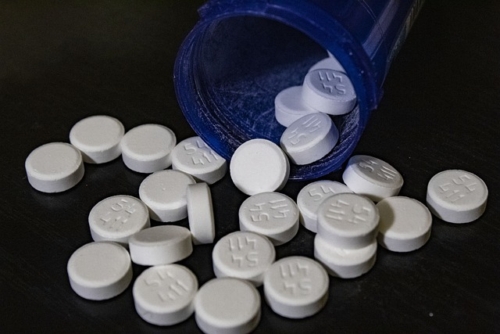
Opioid withdrawal — from heroin, fentanyl, OxyContin, Norco, Vicodin, or other opioids — is rarely dangerous in the way alcohol withdrawal is, but it is intensely physically and psychologically distressing. The severity of symptoms, combined with the strong biological drive to use again to relieve them, makes opioid withdrawal one of the most difficult to complete without medical support.
The rise of fentanyl has added a significant complication: fentanyl’s high potency and variable half-life mean that fentanyl withdrawal can be more severe and more prolonged than withdrawal from shorter-acting opioids. Many clients have unknowingly been using fentanyl-contaminated supplies, which can affect withdrawal severity and the response to treatment medications.
Opioid Withdrawal Timeline
| Timeframe | Symptoms | Medical Management |
|---|---|---|
| 8–24 hours (short-acting opioids) |
Anxiety, agitation, yawning, sweating, watery eyes, runny nose, muscle aches, goosebumps | Clonidine for autonomic symptoms; comfort medications; monitoring initiated |
| 36–72 hours (peak for short-acting) |
Nausea, vomiting, diarrhea, abdominal cramping, insomnia, intense cravings, severe muscle pain | Suboxone (buprenorphine/naloxone) induction as indicated; Zofran for nausea; comfort protocol |
| 36–96 hours (fentanyl) |
Delayed and often more severe onset; similar symptom profile but extended duration | MAT induction with careful timing; longer monitoring window; enhanced support |
| 4–7 days | Gradual physical symptom resolution; persistent psychological craving, anxiety, insomnia | MAT dose optimization; sleep support; psychological counseling begins |
| 7–14 days | Resolution of acute phase; PAWS (post-acute withdrawal syndrome) — low mood, anhedonia, cravings | Continued MAT or taper plan; transition to residential treatment; dual diagnosis assessment |
Benzodiazepine Detox California: Why Medical Supervision Is Critical
Benzodiazepine withdrawal — from Xanax (alprazolam), Klonopin (clonazepam), Valium (diazepam), Ativan (lorazepam), or other benzos — is, like alcohol withdrawal, one of the withdrawal syndromes that can be fatal without proper medical management. Benzodiazepines and alcohol work on the same receptor system (GABA-A), which is why both carry seizure risk during withdrawal.
Attempting to stop benzodiazepines abruptly — including prescription benzodiazepines taken as directed — can trigger life-threatening withdrawal seizures, severe rebound anxiety, psychosis, and delirium. The only safe method is a supervised, gradually tapered reduction in dose under physician guidance.

Benzodiazepine Withdrawal Timeline
| Timeframe | Symptoms | Medical Management |
|---|---|---|
| 1–4 days (short-acting: Xanax, Ativan) |
Rebound anxiety, insomnia, irritability, sweating, palpitations; rapid onset | Controlled cross-taper to long-acting benzo (typically diazepam); vital sign monitoring |
| 3–7 days (long-acting: Valium, Klonopin) |
Delayed onset; same symptom profile but more prolonged; peak symptoms later in the process | Long-acting benzo taper protocol; seizure prophylaxis; psychiatry consult for dual diagnosis |
| 7–14 days (peak risk window) |
Seizure risk is highest in this window, especially for long-term, high-dose users; severe anxiety, perceptual disturbances | Continuous medical monitoring; benzo taper adjusted daily; hospital-level protocols on standby |
| 2–4 weeks+ | Gradual resolution; persistent anxiety, insomnia, and sensory sensitivity are common (protracted withdrawal) | Taper continues; non-benzo sleep support introduced; psychological counseling intensified |
Stimulant Detox California: Cocaine, Methamphetamine & Prescription Stimulants
Unlike alcohol and benzodiazepine withdrawal, stimulant withdrawal from cocaine, methamphetamine, or prescription stimulants (Adderall, Ritalin) is not typically medically dangerous in the acute physical sense. However, the psychological withdrawal from stimulants can be severe and is one of the most underestimated aspects of stimulant addiction.
Stimulant Withdrawal Timeline
| Timeframe | Symptoms | Medical Management |
|---|---|---|
| First 24–72 hours (the 'crash') |
Extreme fatigue, hypersomnia (sleeping for extended periods), increased appetite, depressed mood, irritability | Sleep support; nutrition; close monitoring for suicidal ideation; psychiatric assessment |
| 3–7 days (withdrawal phase) |
Persistent low mood, anhedonia (inability to feel pleasure), cravings, cognitive fog, anxiety | Psychiatric evaluation for major depressive episodes; possible medication support; individual counseling |
| 1–4 weeks (prolonged withdrawal) |
Gradual mood improvement; intermittent cravings; continued sleep disruption in some clients | Continued psychiatric monitoring; CBT for craving management; transition to residential programming |
Luxury Medical Detox in California: What Annandale Offers
Medical detox is available at facilities across California. What distinguishes Annandale is the setting, the ratio, and the continuity.
| What | Why It Matters for Detox |
|---|---|
| 6-bed program capacity | Your medical and nursing team knows your name, your history, and your presentation — not a room number or a bed assignment. Monitoring is consistent, not shift-handoff dependent. |
| Private accommodations throughout detox | Recovery from withdrawal requires rest. Private rooms mean you control your environment — no noise from other clients' challenges, no shared spaces during acute withdrawal. |
| On-site physician & psychiatry | Medical decisions during detox require physician oversight, not just nursing escalation. Our physicians are on-site and available — not on-call from a hospital across town. |
| Integrated dual diagnosis from day one | Many California detox programs defer psychiatric assessment until after detox. We assess and manage co-occurring mental health conditions starting at admission — because they directly affect withdrawal severity and medication decisions. |
| Private chef during detox | Nutritional depletion is a component of all substance withdrawal. Our chef prepares meals calibrated to physical recovery needs — not a cafeteria tray slid under a door. |
| Same team from detox to residential | Continuity of care matters enormously during the vulnerable transition out of detox. You will not be handed off to a different facility or a different therapist the day after you stabilize. |
Frequently Asked Questions: Medical Detox in California
Q1: Is medical detox necessary, or can I detox at home?
For alcohol, benzodiazepine, and in some cases opioid withdrawal, medical detox is medically necessary — not optional. Alcohol and benzo withdrawal can cause fatal seizures without proper management. Opioid withdrawal, while rarely fatal, is medically complex and carries significant relapse risk. Even for substances where home detox is not immediately life-threatening (such as stimulants or marijuana), medical detox significantly improves outcomes by managing the psychological components of withdrawal and providing immediate access to care if complications arise. Attempting home detox after a period of heavy substance use puts you at serious medical risk.
Q2: How long does medical detox take in California?
Medical detox typically lasts 5–10 days, depending on the substance, the duration and severity of use, and the individual’s overall health. Alcohol detox generally resolves over 5–7 days for most presentations. Opioid detox is typically 5–10 days for short-acting opioids and can extend to 14 days or more for fentanyl. Benzodiazepine detox involves a gradual taper that may take several weeks in cases of long-term, high-dose use. Stimulant detox resolves over 1–3 weeks for acute symptoms. Annandale’s clinical team assesses each client individually — length of stay is determined by clinical progress, not by insurance authorization timelines.
Q3: What medications are used during drug and alcohol detox?
Medications depend on the substance. For alcohol and benzodiazepine withdrawal, the primary medications are benzodiazepines (typically Librium or diazepam) to prevent seizures and manage autonomic symptoms. For opioid withdrawal, Suboxone (buprenorphine/naloxone) is the evidence-based first-line treatment; clonidine manages autonomic symptoms; comfort medications address nausea, pain, and insomnia. For stimulant withdrawal, psychiatric medications may be used for severe depression or sleep disruption. All medication protocols at Annandale are managed by our physicians and adjusted based on daily clinical assessment.
Q4: Can I detox from multiple substances at the same time?
Yes. Polysubstance withdrawal is common and requires careful clinical management because different substances have different withdrawal timelines and different medication needs. At Annandale, our medical team is experienced in managing complex polysubstance presentations. Some combinations — particularly alcohol and benzodiazepines, or alcohol and opioids — require heightened monitoring and tailored protocols. All polysubstance cases are assessed individually.
Q5: What happens after medical detox? Do I need residential treatment?
Detox addresses the physical component of addiction — it does not address the psychological, behavioral, or social dimensions that drive continued substance use. Research consistently shows that detox alone, without follow-on treatment, produces poor long-term outcomes. NIDA (National Institute on Drug Abuse) states that treatment of fewer than 90 days is of limited effectiveness. At Annandale, every client transitions directly from detox into our residential treatment program with the same clinical team — there is no break in care. This continuity is one of the most important factors in successful long-term recovery.
Q6: Does insurance cover medical detox in California?
Most private PPO insurance plans cover medical detox under substance use disorder benefits, as required by the Mental Health Parity and Addiction Equity Act. Annandale accepts most major California PPO plans including Anthem Blue Cross, Blue Shield, Cigna, Aetna, Health Net, and United Healthcare. We provide free, same-day insurance verification. Call (855) 778-8668 to confirm your specific benefits before making any decisions.
Q7: Is Annandale’s detox program in California accredited?
Yes. Annandale Behavioral Health is licensed by the California Department of Health Care Services (License #191052AP). Our clinical protocols for medical detox align with ASAM (American Society of Addiction Medicine) criteria and evidence-based guidelines from SAMHSA and NIDA. Our medical and nursing team consists of licensed physicians, board-certified addiction medicine specialists, registered nurses, and licensed vocational nurses with extensive experience in medically supervised withdrawal management.
Drug Detox: Understanding Dependence
Opioids, benzodiazepines, stimulants, and prescription medications each create distinct withdrawal patterns.
For example:
- Opioid withdrawal often includes flu-like symptoms, muscle aches, and intense cravings.
- Benzodiazepine withdrawal may require gradual tapering to reduce seizure risk.
- Stimulant withdrawal can bring fatigue, depression, and mood instability.
The Drug Enforcement Administration (DEA) classifies many addictive substances under controlled schedules due to their high potential for abuse and dependence. When the body becomes accustomed to functioning with a substance in its system, abrupt cessation can trigger a physiological response.
This is why detox at a professional drug detox center california is structured and medically guided rather than abrupt or unsupervised.
A Human-Centered Approach to Detox
Statistics provide context — but detox is personal.
Many individuals entering detox feel overwhelmed. Some have tried to stop on their own before. Others are experiencing withdrawal for the first time. Shame, fear, and uncertainty are common.
At Annandale Behavioral Health, detox begins with a detailed medical and psychiatric evaluation. Our clinical team reviews substance history, mental health background, and physical health indicators to develop an individualized withdrawal plan.
Throughout detox, clients receive:
- Ongoing nursing observation
- Physician-directed medication management when indicated
- Nutritional and hydration support
- Emotional reassurance during symptom fluctuations
- Assessment for co-occurring anxiety, depression, or trauma
Care is adjusted daily based on how the individual responds. There is no one-size-fits-all detox protocol.
Detox Is the Beginning — Not the Finish Line
Research consistently shows that detox alone does not resolve substance use disorder. Without continued therapeutic intervention, relapse rates remain high. Detox stabilizes the body; treatment addresses the underlying drivers of addiction.
After completing withdrawal management at our drug and alcohol detox center southern california, clients are encouraged to transition into structured care where they can work on:
- Behavioral patterns
- Emotional triggers
- Trauma processing
- Coping skill development
- Relapse prevention strategies
By integrating detox into a larger treatment framework, we improve long-term stability and recovery outcomes.
Choosing a California Detox Center
When evaluating a drug and alcohol detox California provider, consider:
- Is detox physician-directed?
- Is medical monitoring available throughout the process?
- Are co-occurring mental health conditions assessed?
- Is there a clear plan for continued care after stabilization?
Annandale Behavioral Health offers detox services in a private, structured environment in Pasadena. Our clinical model prioritizes safety, individualized planning, and continuity of care.
Taking the First Step
Substance dependence changes how the body functions — but it does not define a person’s future. With proper medical supervision, withdrawal can be managed safely and strategically.
If you or someone you love is seeking a licensed California detox center, our admissions team is available to answer questions confidentially.
Contact Annandale Behavioral Health at 855-778-8668 to learn more about our drug and alcohol detox California services and the next steps toward stabilization and recovery.
Support begins with medical safety — and recovery begins with a decision to reach out.




191052AP
Exp. July 31, 2028
LATEST NEWS
 HIV Testing in Rehab: Window Periods and What to AskOctober 13, 2026 - 7:32 am
 Trauma and Drinking: How Rehab Sequences the WorkOctober 13, 2026 - 7:24 am
 Going Back to Rehab After a Relapse: How Readmission WorksOctober 12, 2026 - 1:32 pm
 Rehab Confidentiality: Who Can Be Told You’re in TreatmentOctober 12, 2026 - 1:23 pm