

Our Process

Intake Assessment
Our confidential intake process will match you with the right treatment

Personalized Treatment
Start your tailored program in our clean and serene environment
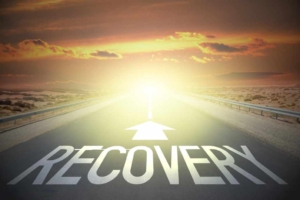
Recover in Comfort
Our facility offers a discreet and luxurious healing space for all our clients
Call us for a free confidential consultation
Bel Air Luxury Rehab: Comfortable and Private Recovery
Our Bel Air luxury rehabilitation center is a peaceful, seclusive setting in which you may focus on rehab. We give you the precise degree of comfort and evidence-based treatment that helps patients get what they need in order to heal without excessive diversion.
Features of Our Bel Air Luxury Rehab:
- Private Rooms: Relax in a quiet, comfortable setting.
- Nutritious Meals: Enjoy meals made to support your health and wellness.
- Wellness Activities: Take part in yoga, meditation, and fitness programs.
- Holistic Care: Options like massage, acupuncture, and mindfulness practices.
- Personalized Treatment: Treatment programs tailored to meet the individual needs of each client.
- Medical Detox Services: Expert clinicians and therapists develop tailored programs to ensure the best outcomes.
- Residential Treatment Services: The core of our addiction treatment, providing a safe and supportive space for healing
This tranquil atmosphere allows clients to focus on their journey toward sobriety without interference from the external environment.
The first step towards initiating the recovery process is to seek appropriate assistance for alcoholism or addiction. In Bel Air, California, individuals suffering from substance abuse can get the best quality of care for treatment based on their needs. Our facility near Bel Air has the finest amenities, professional guidance, and personalized care to help clients break free from the cycle of addiction and reclaim their lives. Our approach is based on long-term abstinence by executing effective treatment interventions and a serene, conducive atmosphere.
Questions? We’d love to talk!
What to Expect from Our Program
🕒
24/7 Comprehensive Care
Our residential setting provides round-the-clock support, medical detox when needed, and structured days designed to build stability and healthy routines.
🛡️
Safe & Supportive Environment
Clients heal in a fully supervised space, free from outside triggers and distractions, ensuring the focus stays on recovery and long-term personal growth.
🏥
More Than Outpatient or Rehab-Only
Unlike outpatient care, our program offers full residential treatment—combining medical support, therapy, and daily structure for lasting results.
Inpatient Addiction Treatment Near Bel Air
Our inpatient program provides intensive, around-the-clock care to support recovery from addiction. This structured environment helps clients build a strong foundation for lasting change.
Key Features:
- 24/7 Medical Care: Professional supervision to ensure safety during detox and recovery.
- Daily Therapy Sessions: Includes individual, group, and family therapy.
- Supportive Environment: Safe from triggers and harmful influences.
- Dual Diagnosis Treatment: Mental disorder such as depression, anxiety, or PTSD and drug abuse.
- Substance Abuse Treatment: Targeted therapies to address the root causes of addiction and develop sustainable recovery strategies.
Our inpatient program is created to stabilize our clients and set them up for sobriety when they get home from treatment.


Outpatient Rehabilitation: Taking Life Back with Flexibility
Our outpatient program is created for the person who wants to get back to normal life while assisted with rehabilitation.
Features:
- Flexible Scheduling: Sessions that fit work, school, or family needs.
- Individual and Group Therapy: Balance of one-on-one counseling and peer support.
- Skills for Relapse Prevention: Learn how to manage triggers and stress.
- Regular Check-Ins: Stay on track with consistent progress evaluations.
In this choice, clients are permitted to maintain their schedule and give the access required.
Substance Use Disorders Treated
We treat a variety of substance use disorders that include:
- Alcohol Addiction: Counseling and detox to manage alcohol cravings.
- Opioid Addiction: Medication-assisted treatment (MAT) and medically supervised detox.
- Meth Addiction: Structured programs to rebuild health and well-being.
- Cocaine Addiction: Therapy to break the cycle of use and manage cravings.
- Marijuana Addiction: Support for those struggling with dependency.
Your Journey to Recovery Starts Here!
You deserve care that respects your privacy and supports your healing. We’re here to guide you every step of the way!


Personalized Care Team
Compassionate one-on-one therapy supported by a full multidisciplinary staff.

Health & Wellness
Daily chef-prepared meals, yoga, art, and nature walks to nurture whole-body health.
View Our Facility Gallery


Giorgio Albanese
1 year ago
Annandale helped change my life. The clinical programming helped me tremendously and the house felt like a home. The environment was safe and comfortable. My life has improved significantly and the internal awareness I've gained has followed me into my work, my fellowship, and my marriage. I cannot thank the staff enough for helping me get back on my feet. I will recommend this facility to anyone that comes to me for help.

Chloe Nett
1 year ago
Darryl and Remy are both incredible and run a tight program that is highly ethical. Changed my life!

Larkin Hill
1 year ago
Be wary of one star reviews for treatment centers. There are some vindictive, bitter, angry clients who will blame anyone but themselves; and treatment centers and their staff tend to be a go-to target for abuse and retaliation.
In short, Annandale worked for me.
Short story made long: Like any treatment center, you will get out what you put in though. But a good treatment center will give you all the tools, support and understanding you need. And that is what Annandale provides: a structure and foundation for your success, which you build on once you leave.
All the various treatment center bells, whistles and accoutrements don’t matter without a good staff/therapists on hand to guide and support. Luckily, Annandale has both.
The program itself focuses not only on getting sober/maintaining sobriety, but also on modifying negative thought patterns and the troublesome behavior that arises as a result. They know that you must focus on the problem itself, not just the symptoms, in order to recover. Drinking is a symptom of a deeper rooted issue.
They also offer some unique elements to the program, such as equine therapy and soundbaths. I scoffed initially, but kept an open mind. And guess what? It was a great help. Other groups/activities included yoga, meditation, mindfulness walks, nature walks, art, gardening, etc. They take you to 12 step recovery meetings, but Annandale itself is non-denominational as far as I could gather. Which is a plus in my book.
Great location in Pasadena. Right up the street from the Rose Bowl, where you’ll take walks some days. Other walks go a block or two in the other direction and offer absolutely breathtaking panoramic views of the Rose Bowl, Pasadana and its environs, mountain ranges etc. It’s truly a sight to behold.
The house and its campus are extremely serene and quiet. The house is comfortable, a comfy “home” vibe with people that genuinely care. A special feeling to it. Doesn’t feel like some “facility”.
Private bedrooms with their own flat screen TVs. Almost all have their own private bathroom. You get to place takeout lunch and dinner choices (with a mind towards healthy options from some great restaurants) on the iPad every day (which is included with your stay).
But more than anything, it is the staff that makes or breaks the place. Darryl is the owner and possibly the first person you’ll speak to. a very kind, caring, genuine, astute and just cool guy. Very helpful and personable. I was in a bad way when I initially called and Darryl was an immeasurable help in easing my concerns and providing comfort in a very distressful time in my life. Remy, the on-site nurse, is extremely attentive and understanding. Dr Coe is one of the most brilliant doctors I’ve ever had the pleasure of speaking with—the guy pulled things out that shocked me, things that no doctor-therapist/psychiatrist has been able to reach or decipher in all my years. He gave me a true, unbridled diagnosis of where my issues stemmed from. My wife of 20 years co-signed what he said with a very troubling passion (haha). Said he was spot-on, and he was.
Roxanne is one of the kindest and most lovely people I’ve ever met. The most gentle eyes, emphatic tone — a truly calming presence who offered me immeasurable support so thank you 🙏. Jordan was relatable, friendly and easy to talk to. Very intelligent and understanding of how addiction and sobriety work. Kevin, one of the nicest guys I’ve ever met. Michael, who became a genuine friend and somebody I could always talk to — and was always willing to listen.
Becky, Carrie, Xenia, Alex, Chris and I know I’m missing a few, but really, everyone was great and offered their own unique approach/personality. This place quite literally saved my life. I was on death’s door and couldn’t even walk in my own when I went in. And walked out a “new’ man.

judy hiep
3 years ago
I love this place. I had to check my niece in 2 years ago. It was a difficult time for our family. Remy explained everything step by step and reassured us she will be in good hands. Like most family, this is our first time having to figure things out. The Facility and staff were very sweet and knowledgeable. The place is like a sanctuary. Peaceful, well thought out and comfortable. We are forever thankful what they have done for us, and appreciate everyone on the team.

Zorina Pelant
3 years ago
Remy Olivier is wonderful. She is the Program Director at Annandale. She is caring, conscientious and so knowledgeable. She makes multiple arrangements and was always available to assist with anything that came up. Remy is an RN who has worked in behavioral health for many years and uses her nursing skills and knowledge of addition when dealing with patients. I can’t say enough nice things about her.
Annandale is owned and operated by Remy and her husband Darryl, who has also been working in the field for 30 years. You can expect outstanding clinical care in a program that is family owned.

Alan Coe
3 years ago
Fantastic Rehab with intelligent, compassionate, and knowledgeable staff. This is easily the best facility in all of Los Angeles. Remy is the kindest and most supportive person I have ever met.

Samantha Myles
3 years ago
First class medical detox - the level of experience, compassion and care is unmatched. They are a hands-on, genuine team who truly treats their clients like their own family. Brendan and Remy have been a pleasure to work with. I would send my own family members to Elevate Wellness Center.

Morgan Vandewater
4 years ago
Elevate is a wonderful place. Treatment is tailored to each individual and the staff is absolutely wonderful. I would highly recommend this place for residential treatment. It is an incredibly calming and motivating environment to recover in.
A Tailored Treatment Plan Built for You
✔ Psychiatric evaluation
✔ Trauma-informed therapy
✔ Addiction counseling
✔ Medication Support
✔ Holistic therapies
Comprehensive Recovery Process
Recovery takes time and dedication. Our step-by-step approach covers every part of the journey, from detox to long-term sobriety.
Steps:
- Detox Services: Medical support to handle withdrawal symptoms safely.
- Therapy Programs: Address underlying issues and develop healthy coping skills.
- Family Support: Help rebuild relationships through guided counseling.
- Ongoing Care: Maintain progress with aftercare planning and relapse prevention.
Holistic Therapies for Complete Healing
To support overall well-being, we offer therapies that focus on the mind and body.
Options:
- Creative Arts Therapy: Use art and music as tools for healing.
- Physical Wellness Programs: Stay active and build strength through exercise.
- Mindfulness and Relaxation: Practice meditation and breathing exercises to reduce stress.
- Animal-Assisted Therapy: Connect with animals to build trust and emotional awareness.
Contact us for a free confidential consultation
Aftercare and Relapse Prevention
Maintaining sobriety is a lifelong effort, and our aftercare program provides ongoing support to help clients stay on track.
Components:
- Continued Counseling: Access to therapists for guidance and motivation.
- Peer Support Groups: Stay connected with others who understand your journey.
- Relapse Prevention Plans: Learn how to handle stress and triggers.
- Community Involvement: Stay engaged with positive influences.

Holistic Therapies at Annandale Behavioral Health
Art and Music Therapy
Creative outlets that foster profound emotional expression and self-discovery, providing unique avenues for healing beyond words, resonating with Beverly Hills’ cultural and artistic scene.
Fitness and Nutrition Programs
Individualized exercise programs and comprehensive nutritional counseling designed to maximize overall health, restore physical vitality, and support mental clarity, all part of a luxury wellness lifestyle.
Mindfulness Skills
Including guided controlled breathing, yoga, and meditation, these practices promote relaxation, reduce stress, and enhance self-awareness, fostering overall body-mind balance.
Equine Therapy
A unique and powerful therapeutic modality that leverages therapeutic horse interaction for building self-esteem, trust, and communication skills within a calming, natural, and spacious rural environment, offering a unique therapeutic escape from the city.

Why Choose Our Bel Air Rehab Center?
Our rehab center near Bel Air, CA stands out for its dedication to personalized care and lasting recovery.
By offering a mix of modern therapies, luxury amenities, and a supportive setting, we help clients build a new, healthier life free from addiction.
If you or a loved one needs help overcoming addiction, don’t wait. Reach out to our Bel Air rehab center today to learn more about our programs and take the first step toward a brighter future.
We Help with the Logistics, So You Can Focus on Healing
🧾
Free insurance verification
Our team will review your benefits at no cost, ensuring you understand coverage details and receive the maximum support available for treatment.
🏦
Assistance with FMLA/Medical leave
We help coordinate essential paperwork for medical leave, protecting your employment while you focus fully on recovery and healing.
✈️
Concierge travel coordination
From transportation to scheduling, we assist with travel logistics so you can arrive safely and stress-free to begin treatment.
Frequently Asked Questions
Q: Can you treat both alcohol and prescription drug addiction at the same time?
A: Yes, treating both substance use disorders at the same time is the recommended course of action.
Q: What medications are used in treatment?
A: In some cases, medication-assisted treatment can be beneficial during the early months of recovery. MAT is determined by the specific substance and addiction history and may include naltrexone, Suboxone, methadone, or buprenorphine.
Q: Is detox from both substances safe?
A: Yes, our medically trained detox professionals have extensive experience managing dual substance detox and withdrawal.
Q: How long does recovery take?
A: The duration of treatment is determined by factors such as addiction history, which substances are involved, presence of a co-occurring mental health issue, age, and detox history.
Q: Do you offer family counseling?
A: Yes, our robust family program includes family therapy, support groups, and education.

Our Medical & Clinical Treatment Team
Annandale Behavioral Health offers a highly experienced and trained treatment team to help you or your loved one safely detox from substances and design a customized aftercare plan to maintain sobriety. Our comprehensive treatment team includes Case Managers, Individual Therapists, RNs, LVNs, Psychiatrists, and more.
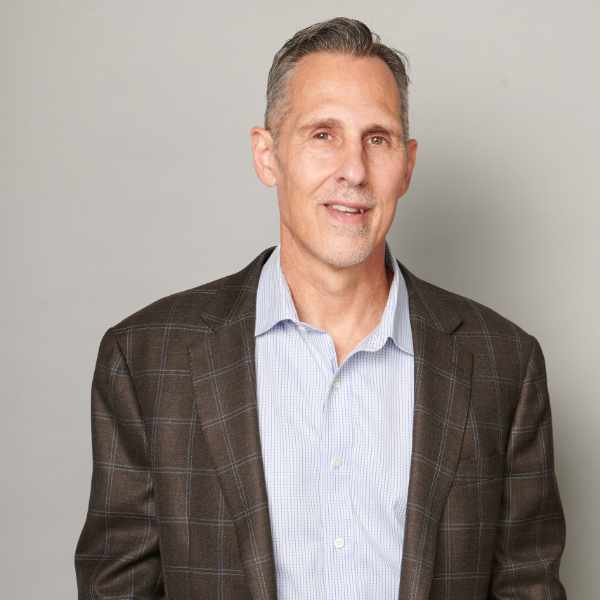
Darryl Olivier
Founder and Chief Executive Officer
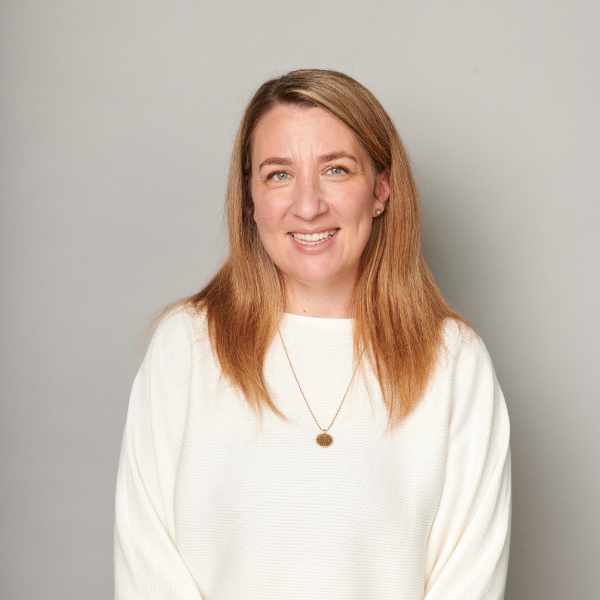
Remy Olivier, RN
Founder and Program Director
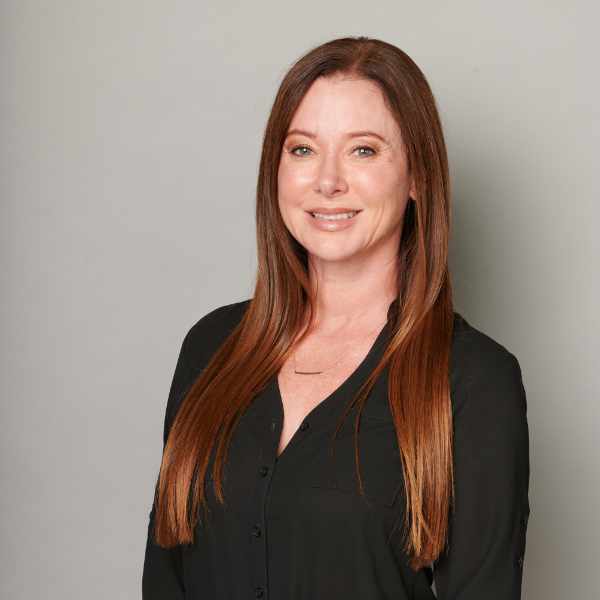
Jennifer Bembry
Founder and Chief Medical Officer
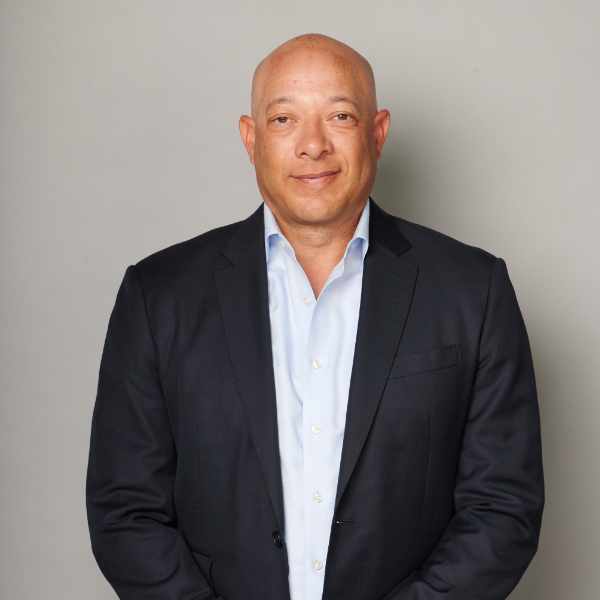
Eric Bembry
Founder and Chief Financial Officer
Tour Our Addiction Treatment Facility
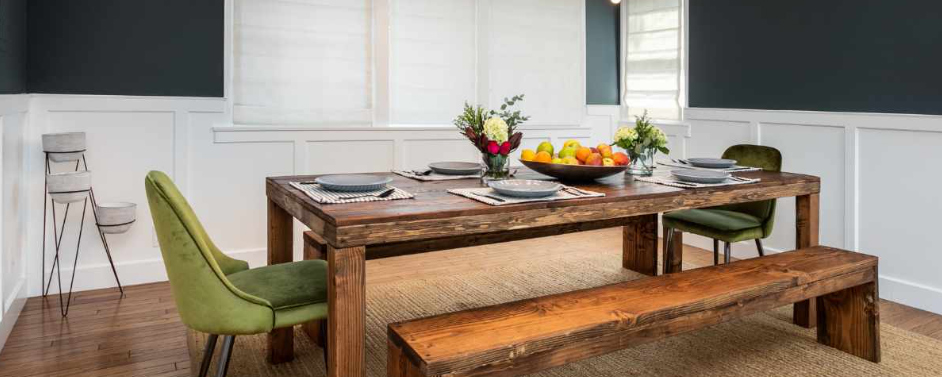
Annandale Behavioral Health is located in a contemporary farmhouse situated on the sprawling grounds in one of Pasadena’s most beloved neighborhoods. This intimate recovery setting has just six beds, allowing for a higher level of care within a safe, supportive treatment environment. The park-like setting features beautiful gardens and an outdoor fireplace that enhances the serene atmosphere.




191052AP
Exp. July 31, 2028
LATEST NEWS
 HIV Testing in Rehab: Window Periods and What to AskOctober 13, 2026 - 7:32 am
 Trauma and Drinking: How Rehab Sequences the WorkOctober 13, 2026 - 7:24 am
 Going Back to Rehab After a Relapse: How Readmission WorksOctober 12, 2026 - 1:32 pm
 Rehab Confidentiality: Who Can Be Told You’re in TreatmentOctober 12, 2026 - 1:23 pm