

Our Process

Intake Assessment
Our confidential intake process will match you with the right treatment

Personalized Treatment
Start your tailored program in our clean and serene environment
Recover in Comfort
Our facility offers a discreet and luxurious healing space for all our clients
Call us for a free confidential consultation
Why Choose Annandale’s Luxury Rehab Center Near West Hollywood?
Located strategically near the heart of West Hollywood, our state-of-the-art addiction treatment center provides an unparalleled recovery experience within a tranquil, yet accessible, and profoundly discreet setting. We focus on meticulously individualized care to help clients regain control of their lives with confidence, clarity, and an understanding of their unique public or professional profiles. This positions us as an elite West Hollywood rehab center for those who prioritize both clinical excellence and absolute discretion.
What Sets Annandale’s West Hollywood Rehab Center Apart:
- Private, Upscale Accommodations: Stay in exquisitely designed, serene, and comfortable environments conducive to deep healing and private reflection, ensuring a true sanctuary from external pressures and public scrutiny.
- Gourmet Nutritional Programs: Indulge in personalized, chef-prepared meals meticulously crafted to support physical rejuvenation, mental clarity, and overall well-being, aligning with the discerning tastes and health-conscious lifestyle prevalent in West Hollywood.
- Holistic Wellness & Lifestyle Therapies: Engage in a curated selection of rejuvenating practices including expertly guided yoga, restorative acupuncture, therapeutic massage therapy, and advanced mindfulness-based stress reduction techniques, fostering profound mind-body balance and emotional resilience. These therapies are designed to support a balanced, vibrant lifestyle.
- Highly Skilled & Culturally Competent Clinicians: Our expert therapists, addiction specialists, and medical professionals provide evidence-based care with an acute understanding of the unique pressures faced by individuals in the entertainment, fashion, and creative industries, as well as providing culturally informed support for the LGBTQ+ community.
- Confidential and Exclusive Treatment: We offer a truly safe, judgment-free, and confidential environment where clients can focus solely on their recovery, with robust protocols in place to protect privacy and reputation – a paramount concern in West Hollywood.
With these unparalleled features, our clients experience top-tier addiction treatment within an environment that actively promotes both profound physical and mental well-being, enabling a confident and strategic return to their dynamic lives.
Questions? We’d love to talk!
What to Expect from Our Program
🕒
24/7 Comprehensive Care
Our residential setting provides round-the-clock support, medical detox when needed, and structured days designed to build stability and healthy routines.
🛡️
Safe & Supportive Environment
Clients heal in a fully supervised space, free from outside triggers and distractions, ensuring the focus stays on recovery and long-term personal growth.
🏥
More Than Outpatient or Rehab-Only
Unlike outpatient care, our program offers full residential treatment—combining medical support, therapy, and daily structure for lasting results.
Specialized Therapeutic Approaches & Holistic Healing Methods
At Annandale Behavioral Healthcare, your recovery journey is profoundly enriched by a diverse and cutting-edge array of evidence-based and holistic therapies, all delivered by highly skilled, compassionate, and specialized professionals within our discreet West Hollywood rehab center. Our therapeutic modalities are chosen for their proven efficacy in fostering resilience, emotional intelligence, and sustainable well-being, particularly relevant for those in creative, public-facing, or LGBTQ+ communities.
Therapies and Holistic Healing Methods Offered:
- Cognitive Behavioral Therapy (CBT): A cornerstone therapy addressing negative thought patterns and behaviors that contribute to addiction, helping clients develop healthier coping mechanisms for daily stressors.
- Dialectical Behavior Therapy (DBT): This highly effective therapy equips clients with crucial skills for emotional regulation, stress management, interpersonal effectiveness, and mindfulness, vital for navigating complex social dynamics and industry pressures.
- Family Therapy: Strengthening relationships and rebuilding vital support systems within the family unit, fostering healthier communication and understanding, essential for long-term recovery.
- Trauma-Informed Therapy: We integrate specialized therapeutic techniques designed to help clients gently process traumatic experiences without re-traumatization, fostering resilience and empowering healing from past wounds that often fuel addiction. This is particularly crucial given the prevalence of trauma in various communities, including the LGBTQ+ community.
- Mindfulness-Based Practices: Including expertly guided yoga, serene meditation, and conscious breathing exercises, these techniques promote deep stress reduction, enhance mental clarity, and achieve profound emotional balance, vital for busy minds in West Hollywood.
- Expressive Arts Therapy: Art and Music Therapy and creative writing provide powerful therapeutic outlets for emotional expression, self-discovery, and processing complex experiences, appealing directly to the creative spirit of West Hollywood.
- Comprehensive Medical Treatment: Our approach includes thorough assessments, ongoing monitoring, and when appropriate, Medication-Assisted Treatment (MAT) to support safe detox, reduce cravings, and manage co-occurring conditions like anxiety and depression. Our dedicated medical team works in close collaboration with therapists to ensure an integrated, holistic approach to your overall well-being.
We integrate these traditional and alternative therapies to promote holistic healing and enhance long-term recovery, nurturing every aspect of your being.


Our Comprehensive Treatment Programs
At Annandale Behavioral Healthcare, we offer a complete continuum of care, meticulously designed to address addiction at every stage of the recovery process. Our tailored programs ensure that each client receives the most effective, personalized treatment for their unique needs, guiding them towards sustainable sobriety in West Hollywood.
1. Safe & Medically Supervised Detoxification
The essential first and most crucial step in overcoming physical dependence on substances is a safe and medically supervised detoxification process. Our medical detox program in West Hollywood provides 24/7 medical oversight within a comfortable, private, and exceptionally supportive environment. Our expert medical team ensures that withdrawal symptoms are managed safely, effectively, and humanely, minimizing discomfort and preventing complications. This crucial phase lays a stable and secure foundation for the intensive therapeutic work that follows at our West Hollywood rehab center, prioritizing your immediate well-being and physical stability.
2. Personalized Inpatient Residential Treatment for Lasting Recovery
For those requiring intensive, structured, and immersive round-the-clock care, our inpatient residential treatment program in West Hollywood provides a safe, nurturing, and highly structured environment in which to heal. This level of care is ideal for those in the early stages of recovery or those who require close medical supervision and a complete removal from external triggers.
Key Features of Annandale’s Inpatient Rehab in West Hollywood:
- Round-the-Clock Medical Support: Our dedicated medical team is available 24/7 to ensure absolute safety and comfort throughout the entire detoxification and recovery process, managing any physical or psychological needs with precision.
- Intensive Therapy Sessions: Clients engage in daily, impactful one-to-one therapy sessions, dynamic group psychotherapy, and essential family therapy. These sessions are meticulously designed to uncover and address the underlying psychological, emotional, and social roots of addiction, fostering deep personal insight and facilitating crucial family healing.
- Structured Daily Routine: A thoughtfully designed daily schedule of activities promotes healthy lifestyle changes, instills discipline, and encourages self-discovery, providing a stable framework for sustained progress within our West Hollywood drug and alcohol rehab facility.
- Integrated Dual Diagnosis Support: A foundational element of our approach is the integrated, simultaneous treatment for co-occurring mental health disorders such as anxiety, depression, bipolar disorder, and PTSD and trauma-related addictions. We recognize that treating both addiction and underlying mental health challenges in tandem is paramount for effective and sustainable recovery.
- Safe, Trigger-Free Environment: Our facility is purposefully designed to be a controlled setting free from external triggers and distractions, fostering a space that supports focused healing and deep personal work.
This complete program equips clients with the essential tools and resilient strategies needed for lasting sobriety, all while benefiting from a compassionate and exceptionally supportive environment.
3. Substance Abuse Treatment & Stabilization:
Following successful detox, our dedicated Substance Abuse Treatment and Stabilization program at our West Hollywood drug rehab center offers an essential bridge to deeper therapeutic work. This critical program focuses on thoroughly stabilizing clients emotionally and physically, equipping them with initial coping mechanisms, and meticulously preparing them for the comprehensive therapeutic journey that follows. It’s a vital, focused step in transitioning from acute withdrawal to active, engaged participation in long-term recovery strategies.
4. Post-Treatment Support (Aftercare Program):
Recovery is a continuous journey that extends beyond initial residential treatment. Our Post-Treatment Support program, also known as our Aftercare Program, provides advanced, high-level, and flexible continued care. This program is designed for individuals who have completed initial residential treatment or who require a more robust and structured aftercare plan than traditional outpatient settings. It focuses intensively on advanced relapse prevention strategies, skill reinforcement, and adeptly navigating real-world challenges with consistent, expert guidance and unwavering support from our Annandale team as you discreetly integrate back into your dynamic life within West Hollywood and the broader Los Angeles area.
5. Flexible Outpatient Programs in West Hollywood:
For those who need ongoing treatment while maintaining their professional, family, or academic responsibilities, our outpatient programs in West Hollywood offer the perfect balance of flexibility and comprehensive support. We provide Intensive Outpatient Programs (IOP) and Partial Hospitalization Programs (PHP) tailored to fit your lifestyle.
Benefits of Annandale’s Outpatient Treatment in West Hollywood:
- Customized Scheduling: Therapy sessions are meticulously arranged to fit your dynamic lifestyle, allowing you to prioritize your recovery without sacrificing work, academic, or family commitments.
- Group and Individual Counseling: Clients receive comprehensive individual counseling alongside supportive group therapy with licensed professionals, fostering both deep personal insight and invaluable peer connections within a diverse urban recovery community.
- Relapse Prevention Strategies: We provide advanced skills and techniques specifically designed to help individuals recognize and effectively manage triggers that may challenge their sobriety within West Hollywood’s unique social and professional landscape.
- Continued Medical Supervision: Ongoing check-ins and monitoring by our medical professionals ensure consistent tracking of progress and health, providing continuous support for your well-being.
This program is ideal for individuals transitioning from intensive inpatient care or those who need structured support while confidently navigating their daily responsibilities and social opportunities in West Hollywood.
Your Journey to Recovery Starts Here!
You deserve care that respects your privacy and supports your healing. We’re here to guide you every step of the way!


Personalized Care Team
Compassionate one-on-one therapy supported by a full multidisciplinary staff.

Health & Wellness
Daily chef-prepared meals, yoga, art, and nature walks to nurture whole-body health.
View Our Facility Gallery


Giorgio Albanese
1 year ago
Annandale helped change my life. The clinical programming helped me tremendously and the house felt like a home. The environment was safe and comfortable. My life has improved significantly and the internal awareness I've gained has followed me into my work, my fellowship, and my marriage. I cannot thank the staff enough for helping me get back on my feet. I will recommend this facility to anyone that comes to me for help.

Chloe Nett
1 year ago
Darryl and Remy are both incredible and run a tight program that is highly ethical. Changed my life!

Larkin Hill
1 year ago
Be wary of one star reviews for treatment centers. There are some vindictive, bitter, angry clients who will blame anyone but themselves; and treatment centers and their staff tend to be a go-to target for abuse and retaliation.
In short, Annandale worked for me.
Short story made long: Like any treatment center, you will get out what you put in though. But a good treatment center will give you all the tools, support and understanding you need. And that is what Annandale provides: a structure and foundation for your success, which you build on once you leave.
All the various treatment center bells, whistles and accoutrements don’t matter without a good staff/therapists on hand to guide and support. Luckily, Annandale has both.
The program itself focuses not only on getting sober/maintaining sobriety, but also on modifying negative thought patterns and the troublesome behavior that arises as a result. They know that you must focus on the problem itself, not just the symptoms, in order to recover. Drinking is a symptom of a deeper rooted issue.
They also offer some unique elements to the program, such as equine therapy and soundbaths. I scoffed initially, but kept an open mind. And guess what? It was a great help. Other groups/activities included yoga, meditation, mindfulness walks, nature walks, art, gardening, etc. They take you to 12 step recovery meetings, but Annandale itself is non-denominational as far as I could gather. Which is a plus in my book.
Great location in Pasadena. Right up the street from the Rose Bowl, where you’ll take walks some days. Other walks go a block or two in the other direction and offer absolutely breathtaking panoramic views of the Rose Bowl, Pasadana and its environs, mountain ranges etc. It’s truly a sight to behold.
The house and its campus are extremely serene and quiet. The house is comfortable, a comfy “home” vibe with people that genuinely care. A special feeling to it. Doesn’t feel like some “facility”.
Private bedrooms with their own flat screen TVs. Almost all have their own private bathroom. You get to place takeout lunch and dinner choices (with a mind towards healthy options from some great restaurants) on the iPad every day (which is included with your stay).
But more than anything, it is the staff that makes or breaks the place. Darryl is the owner and possibly the first person you’ll speak to. a very kind, caring, genuine, astute and just cool guy. Very helpful and personable. I was in a bad way when I initially called and Darryl was an immeasurable help in easing my concerns and providing comfort in a very distressful time in my life. Remy, the on-site nurse, is extremely attentive and understanding. Dr Coe is one of the most brilliant doctors I’ve ever had the pleasure of speaking with—the guy pulled things out that shocked me, things that no doctor-therapist/psychiatrist has been able to reach or decipher in all my years. He gave me a true, unbridled diagnosis of where my issues stemmed from. My wife of 20 years co-signed what he said with a very troubling passion (haha). Said he was spot-on, and he was.
Roxanne is one of the kindest and most lovely people I’ve ever met. The most gentle eyes, emphatic tone — a truly calming presence who offered me immeasurable support so thank you 🙏. Jordan was relatable, friendly and easy to talk to. Very intelligent and understanding of how addiction and sobriety work. Kevin, one of the nicest guys I’ve ever met. Michael, who became a genuine friend and somebody I could always talk to — and was always willing to listen.
Becky, Carrie, Xenia, Alex, Chris and I know I’m missing a few, but really, everyone was great and offered their own unique approach/personality. This place quite literally saved my life. I was on death’s door and couldn’t even walk in my own when I went in. And walked out a “new’ man.

judy hiep
3 years ago
I love this place. I had to check my niece in 2 years ago. It was a difficult time for our family. Remy explained everything step by step and reassured us she will be in good hands. Like most family, this is our first time having to figure things out. The Facility and staff were very sweet and knowledgeable. The place is like a sanctuary. Peaceful, well thought out and comfortable. We are forever thankful what they have done for us, and appreciate everyone on the team.

Zorina Pelant
3 years ago
Remy Olivier is wonderful. She is the Program Director at Annandale. She is caring, conscientious and so knowledgeable. She makes multiple arrangements and was always available to assist with anything that came up. Remy is an RN who has worked in behavioral health for many years and uses her nursing skills and knowledge of addition when dealing with patients. I can’t say enough nice things about her.
Annandale is owned and operated by Remy and her husband Darryl, who has also been working in the field for 30 years. You can expect outstanding clinical care in a program that is family owned.

Alan Coe
3 years ago
Fantastic Rehab with intelligent, compassionate, and knowledgeable staff. This is easily the best facility in all of Los Angeles. Remy is the kindest and most supportive person I have ever met.

Samantha Myles
3 years ago
First class medical detox - the level of experience, compassion and care is unmatched. They are a hands-on, genuine team who truly treats their clients like their own family. Brendan and Remy have been a pleasure to work with. I would send my own family members to Elevate Wellness Center.

Morgan Vandewater
4 years ago
Elevate is a wonderful place. Treatment is tailored to each individual and the staff is absolutely wonderful. I would highly recommend this place for residential treatment. It is an incredibly calming and motivating environment to recover in.
A Tailored Treatment Plan Built for You
✔ Psychiatric evaluation
✔ Trauma-informed therapy
✔ Addiction counseling
✔ Medication Support
✔ Holistic therapies
Specialized Treatment for Substance Use Disorders
Our West Hollywood drug and alcohol rehab center specializes in providing targeted, highly effective treatment for a wide range of substance use disorders, with an understanding of how these challenges uniquely manifest in a dynamic urban environment.
- Alcohol Addiction: We offer comprehensive treatment addressing both the physical and psychological aspects of alcohol dependency, including strategies for managing social triggers common in West Hollywood’s vibrant nightlife scene.
- Opioid Addiction: Our programs for opioid addiction (including prescription painkillers, heroin, and fentanyl) frequently integrate Medication-Assisted Treatment (MAT) to help manage withdrawal symptoms and prevent relapse, combined with intensive therapy for profound healing.
- Marijuana Addiction: We provide specialized support for individuals struggling with cannabis dependency and related issues, addressing psychological dependence and building strategies for a cannabis-free life that promotes clarity and focus.
- Cocaine and Methamphetamine Addiction: Our programs offer specialized care for stimulant abuse, implementing evidence-based therapies and comprehensive support to manage intense cravings, address often co-occurring mental health issues, and build sustainable recovery strategies from cocaine and methamphetamine use, empowering clients to regain focus and drive.
- Prescription Drug Addiction: We offer comprehensive recovery programs for dependency on substances like benzodiazepines, stimulants, and sedatives, with careful medical supervision during detox and integrated therapy for lasting sobriety.
- Synthetic Drug Addiction: The complexities and dangers of synthetic drug use (e.g., “bath salts,” K2/Spice) necessitate highly specialized and often immediate care. Our West Hollywood drug rehab offers programs specifically designed to address the unique, severe withdrawal symptoms and profound psychological challenges associated with these powerful and unpredictable substances.
Dual Diagnosis Treatment for Mental Health and Addiction
Many individuals struggling with addiction also face underlying mental health conditions. Our integrated dual diagnosis program is a cornerstone of our approach, meticulously treating both issues simultaneously for a more effective, holistic, and sustainable recovery. We understand the specific mental health stressors prevalent in high-pressure industries and social circles.
Common Co-Occurring Disorders We Treat:
- Depression and Substance Abuse: Providing integrated therapy and support to address both the depressive symptoms and their interplay with substance use.
- Anxiety Disorders and Addiction: Offering strategies and therapeutic interventions to manage anxiety effectively without resorting to substances.
- Bipolar Disorder and Substance Use: Providing specialized care that stabilizes mood while addressing addictive behaviors in tandem.
- PTSD and Trauma-Related Addictions: Our trauma-informed approach helps clients process trauma safely and develop healthy coping mechanisms, reducing the reliance on substances as a form of self-medication.
- Personality Disorders and Drug Abuse: Offering specialized therapeutic modalities, such as Dialectical Behavior Therapy (DBT), to manage complex emotional and behavioral patterns that contribute to addiction.
Our holistic approach ensures that clients receive integrated care to heal both the mind and body, fostering profound emotional regulation and resilience.
Relapse Prevention and Aftercare Support
Maintaining sobriety after completing initial treatment requires ongoing effort, strategic planning, and unwavering support. Our aftercare and relapse prevention programs provide continuous assistance to help clients stay firmly on track with their recovery goals and navigate the unique social landscape of West Hollywood.
Aftercare Services Include:
- Ongoing Therapy Sessions: Continued support from licensed therapists through regular individual and group counseling, allowing clients to process new challenges and reinforce coping strategies.
- Peer Support Groups: Access to a vibrant network of peer support groups within the West Hollywood and wider Los Angeles recovery communities, including 12-step meetings (like AA, NA), alumni programs, and sober communities, fostering a vital sense of connection and shared experience.
- Life Skills Training: Practical skills vital for independent living and sustained well-being, which may include career counseling tailored for the local industries, financial management, stress reduction techniques, and social skills for navigating West Hollywood’s unique social scene soberly.
- Individualized Relapse Prevention Plans: Meticulously tailored strategies designed to equip clients with practical tools for navigating their specific triggers and challenges in daily life, professional settings, and social events without compromising sobriety.
- Alumni Network: Opportunities to reconnect with peers who have successfully navigated recovery, fostering a strong, supportive community and sustained motivation throughout the long-term recovery journey.
These support systems ensure that clients have everything they need to thrive and maintain a healthy, addiction-free life.
Contact us for a free confidential consultation
Why Choose Annandale’s West Hollywood Rehab Center?
Choosing the right rehab center is a pivotal and deeply personal decision. At Annandale Behavioral Health, we are committed to providing individuals with the highest standard of care in a luxurious, serene, and uniquely discreet environment. Our drug and alcohol rehab facility in West Hollywood stands out as a premier choice for those seeking lasting recovery within a dynamic setting.
What Truly Sets Annandale’s West Hollywood Addiction Treatment Center Apart:
- Expert Staff & Master Clinicians: Our team is composed of highly licensed clinicians, specialized addiction experts, and compassionate therapists, all dedicated to providing evidence-based care tailored to individual needs, with an understanding of the unique pressures of the West Hollywood lifestyle.
- Customized, Bespoke Treatment Plans: We understand that each person’s journey is unique and often complex. We meticulously tailor our treatment plans to meet individual needs, complex goals, and specific personal and professional circumstances, ensuring the most precise and effective path to recovery.
- Comprehensive Programs: We offer a full spectrum of addiction treatment services, from medically supervised detoxification and intensive therapy to robust family support and dynamic aftercare, ensuring long-term success.
- Holistic Approach to Wellness: Our programs deeply integrate a wide array of holistic therapies, including mindfulness, fitness, and Art and Music Therapy, to nurture the mind, body, and spirit, enhancing the overall recovery process and promoting authentic self-expression.
- Serene, Private & Discreet Urban Environment: Our facility offers a peaceful, secluded setting designed for focused healing, providing an oasis of calm within the vibrant, accessible energy of West Hollywood, with a paramount commitment to client confidentiality.
- Culturally Competent Care: We provide inclusive and affirming support, understanding the unique experiences and needs of diverse communities, including the vibrant LGBTQ+ community in West Hollywood.
- Strategic Reintegration Support: Our programs are specifically designed to prepare clients for a confident and successful return to their demanding professional and social lives, with practical strategies for managing industry pressures and social engagements soberly.

Why West Hollywood is the Ideal Setting for Your Recovery Journey
West Hollywood, CA, offers a uniquely advantageous and profoundly dynamic environment perfectly suited for comprehensive addiction recovery, particularly for individuals in creative industries, public-facing roles, or those seeking a highly inclusive and vibrant community for healing. Distinct from other Los Angeles or California locations, our West Hollywood rehab center provides:
- Vibrant Cultural & Entertainment Hub: It’s the pulse of Los Angeles’s arts, fashion, and entertainment industries (Sunset Strip). This offers unique opportunities for creative expression and re-engagement with passions in sobriety, providing inspiration and purpose.
- Unmatched Inclusivity & Support for LGBTQ+ Community: West Hollywood is celebrated globally for its progressive and accepting atmosphere, with robust resources and a strong community for LGBTQ+ individuals, fostering a safe and affirming space for recovery.
- Emphasis on Discretion & Privacy: Despite its high-visibility status, West Hollywood is accustomed to serving discerning individuals who require utmost confidentiality. Our center offers this crucial element, allowing clients to heal away from public scrutiny.
- Sophisticated Lifestyle Integration: The area boasts world-class wellness facilities, gourmet dining, and high-end services. Recovery here means building a healthy, sober life that is integrated with a refined, active, and fulfilling lifestyle.
- Dynamic Social Environment (with tools for navigation): While presenting unique social triggers, the environment allows for development of robust coping mechanisms for sober socialization, empowering clients to thrive within a vibrant scene.
- Accessibility & Convenience: Its central West Los Angeles location provides easy access for individuals living and working across the city, balancing a sense of retreat with practical accessibility.
This distinct combination of luxury, discretion, cultural vibrancy, comprehensive industry-aware care, and an inclusive community makes Annandale Behavioral Healthcare in West Hollywood an exceptional choice for transformative addiction treatment, empowering clients to reclaim their full potential and embrace a truly balanced, fulfilling, and sober life.
Start Your Recovery Journey Today
If you or a loved one is struggling with addiction, our luxury drug and alcohol rehab center in West Hollywood, CA, is here to provide the expert care, compassionate support, and dynamic environment needed for lasting recovery. Contact us today for a free, confidential consultation to learn more about our customized treatment programs and take the essential first step toward a healthier, sober life where your unique strengths can truly shine.
Holistic Therapies at Annandale Behavioral Health
Art and Music Therapy
Creative outlets that foster profound emotional expression and self-discovery, providing unique avenues for healing beyond words, resonating with Beverly Hills’ cultural and artistic scene.
Fitness and Nutrition Programs
Individualized exercise programs and comprehensive nutritional counseling designed to maximize overall health, restore physical vitality, and support mental clarity, all part of a luxury wellness lifestyle.
Mindfulness Skills
Including guided controlled breathing, yoga, and meditation, these practices promote relaxation, reduce stress, and enhance self-awareness, fostering overall body-mind balance.
Equine Therapy
A unique and powerful therapeutic modality that leverages therapeutic horse interaction for building self-esteem, trust, and communication skills within a calming, natural, and spacious rural environment, offering a unique therapeutic escape from the city.
We Help with the Logistics, So You Can Focus on Healing
🧾
Free insurance verification
Our team will review your benefits at no cost, ensuring you understand coverage details and receive the maximum support available for treatment.
🏦
Assistance with FMLA/Medical leave
We help coordinate essential paperwork for medical leave, protecting your employment while you focus fully on recovery and healing.
✈️
Concierge travel coordination
From transportation to scheduling, we assist with travel logistics so you can arrive safely and stress-free to begin treatment.
Frequently Asked Questions
Q: Can you treat both alcohol and prescription drug addiction at the same time?
A: Yes, treating both substance use disorders at the same time is the recommended course of action.
Q: What medications are used in treatment?
A: In some cases, medication-assisted treatment can be beneficial during the early months of recovery. MAT is determined by the specific substance and addiction history and may include naltrexone, Suboxone, methadone, or buprenorphine.
Q: Is detox from both substances safe?
A: Yes, our medically trained detox professionals have extensive experience managing dual substance detox and withdrawal.
Q: How long does recovery take?
A: The duration of treatment is determined by factors such as addiction history, which substances are involved, presence of a co-occurring mental health issue, age, and detox history.
Q: Do you offer family counseling?
A: Yes, our robust family program includes family therapy, support groups, and education.

Our Medical & Clinical Treatment Team
Annandale Behavioral Health offers a highly experienced and trained treatment team to help you or your loved one safely detox from substances and design a customized aftercare plan to maintain sobriety. Our comprehensive treatment team includes Case Managers, Individual Therapists, RNs, LVNs, Psychiatrists, and more.
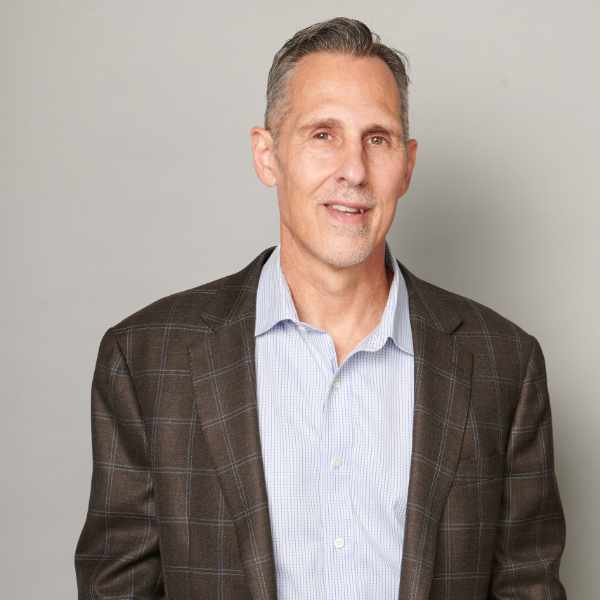
Darryl Olivier
Founder and Chief Executive Officer
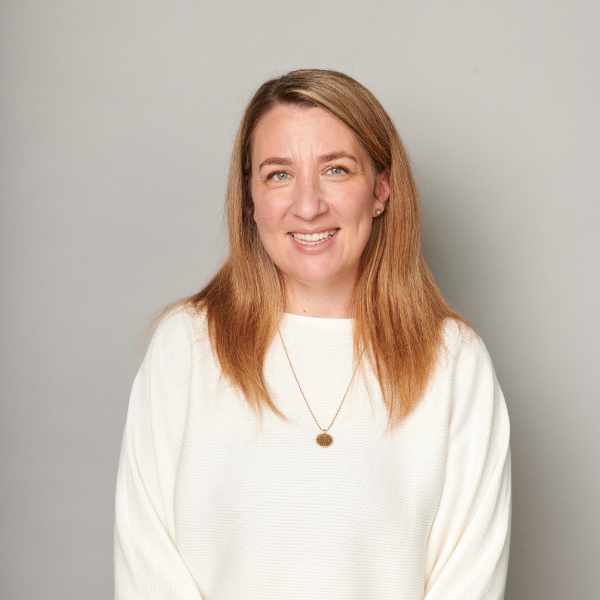
Remy Olivier, RN
Founder and Program Director
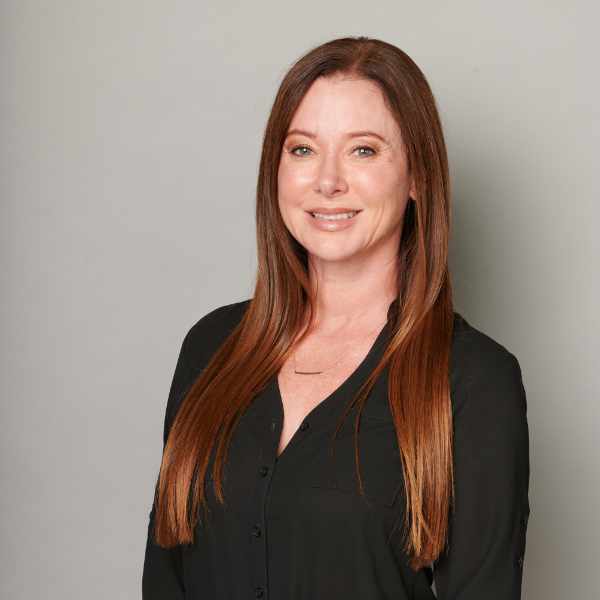
Jennifer Bembry
Founder and Chief Medical Officer
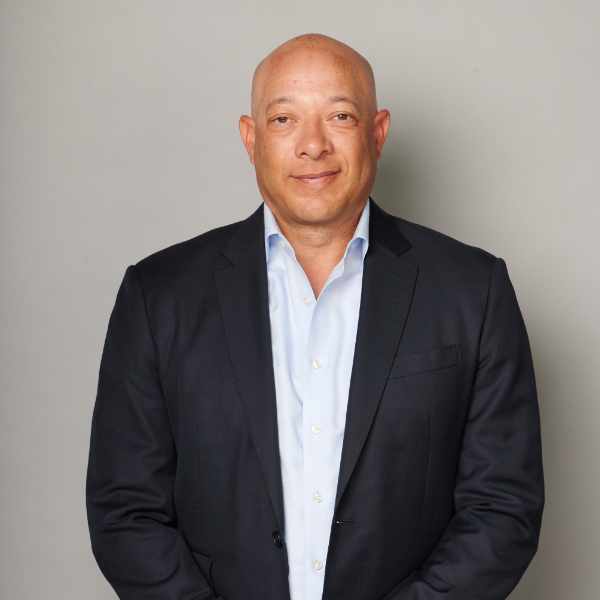
Eric Bembry
Founder and Chief Financial Officer
Tour Our Addiction Treatment Facility
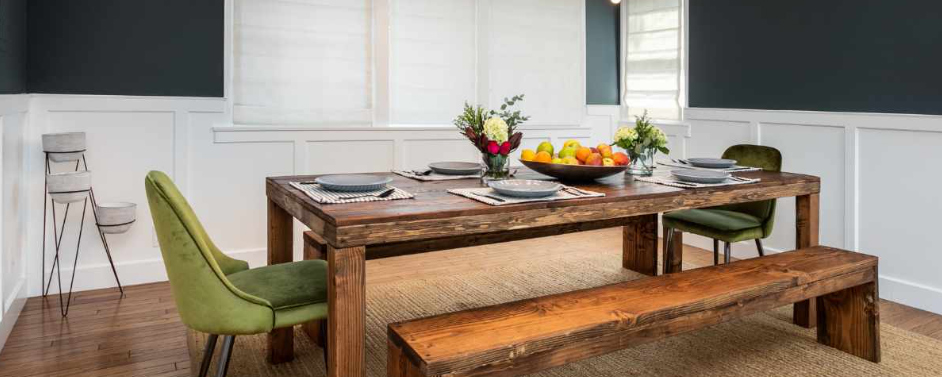
Annandale Behavioral Health is located in a contemporary farmhouse situated on the sprawling grounds in one of Pasadena’s most beloved neighborhoods. This intimate recovery setting has just six beds, allowing for a higher level of care within a safe, supportive treatment environment. The park-like setting features beautiful gardens and an outdoor fireplace that enhances the serene atmosphere.


191052AP
Exp. July 31, 2028
LATEST NEWS
 HIV Testing in Rehab: Window Periods and What to AskOctober 13, 2026 - 7:32 am
 Trauma and Drinking: How Rehab Sequences the WorkOctober 13, 2026 - 7:24 am
 Going Back to Rehab After a Relapse: How Readmission WorksOctober 12, 2026 - 1:32 pm
 Rehab Confidentiality: Who Can Be Told You’re in TreatmentOctober 12, 2026 - 1:23 pm