
Medically Monitored Opioid Detox: What to Expect
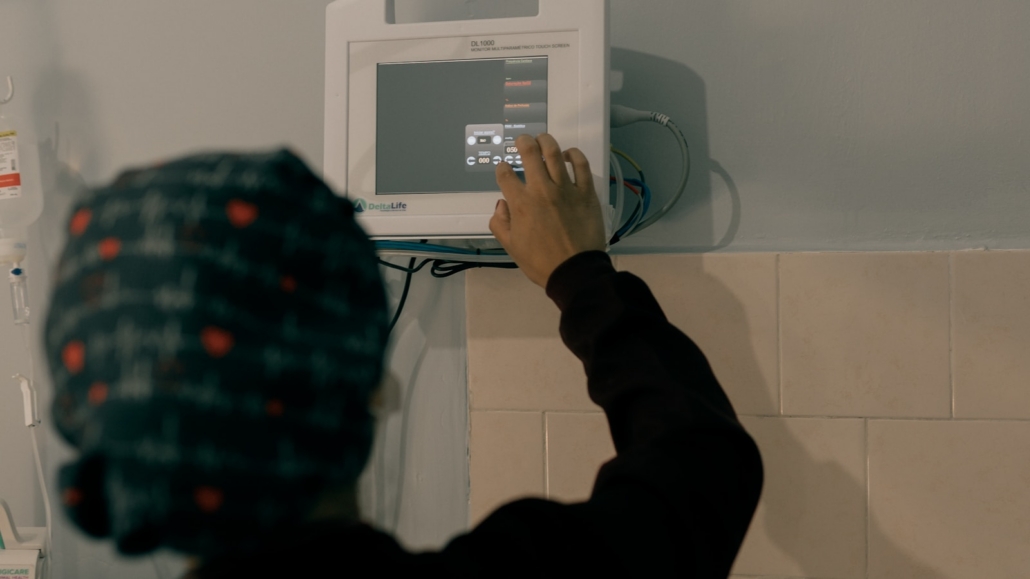
Table of Contents
For an adult with opioid use disorder, the first 72 hours often decide whether treatment continues or stops. Medically monitored opioid detox in residential treatment is the level of care built for exactly that window: around-the-clock nursing, physician oversight of the medication plan, and an immediate step into ongoing clinical care once the acute phase passes. This article describes what that process looks like day to day, which medications are used, and why withdrawal management is the beginning of treatment rather than the whole of it.
What Medically Monitored Opioid Detox Involves
The American Society of Addiction Medicine describes withdrawal management by the intensity of monitoring a person needs, not by the building it happens in. Medically monitored withdrawal management sits above ambulatory (outpatient) detox: licensed nursing staff are present 24 hours a day, a physician directs the medication protocol, and withdrawal severity is scored on a set schedule using standardized instruments such as the Clinical Opiate Withdrawal Scale (COWS) alongside vital signs.
Admission to medical detox in Los Angeles at Annandale Behavioral Health begins with a history and physical, a substance use timeline, a psychiatric review, and a medication reconciliation. That intake matters more than it sounds. Someone using fentanyl-adulterated supply, someone on high-dose prescribed opioids after surgery, and someone using methadone obtained outside a licensed program all need materially different plans, and the assessment is where those differences get identified.
Annandale Behavioral Health is a residential facility in Pasadena, California, serving adults across the greater Los Angeles region. Detox here is not a standalone service — it is the front door of a residential treatment program where the same clinical team carries the person forward.
The Opioid Withdrawal Timeline in a Residential Setting
Onset and duration depend on the half-life of the opioid involved, on how much adipose tissue has stored it, and on the person’s overall health.
- Short-acting opioids (heroin, oxycodone, hydrocodone, hydromorphone): symptoms typically begin 8 to 24 hours after the last use, peak somewhere in the 36 to 72 hour range, and ease over roughly five to seven days.
- Long-acting opioids (methadone, extended-release formulations): onset is often delayed 24 to 48 hours, and the acute course can run two weeks or longer.
- Fentanyl and fentanyl analogs: highly lipophilic, so they accumulate in fat tissue and release back into circulation unpredictably. Clinicians increasingly see prolonged, stuttering withdrawal courses that do not follow the textbook short-acting pattern.
Symptoms cluster into autonomic effects (sweating, rhinorrhea, lacrimation, piloerection, yawning), gastrointestinal effects (nausea, vomiting, diarrhea, abdominal cramping), musculoskeletal pain, and a psychiatric layer of insomnia, dysphoria, anxiety, and intense craving. Opioid withdrawal is rarely fatal by itself, but the complications are real: dehydration and electrolyte disturbance from persistent vomiting and diarrhea, aspiration risk, and cardiac strain in people with existing disease. Twenty-four-hour monitoring exists because those complications develop faster than a once-daily outpatient check-in can catch.
The psychiatric layer is also the most common reason people leave early. Around the peak, craving and dysphoria are at their worst while the person is physically exhausted. A residential setting removes the practical possibility of walking out to the supply that ends the attempt — a difference that is often the entire difference. If you have questions about what the first days look like for a specific person, our admissions team can walk through it with you at 855-778-8668.
Medications Used During Withdrawal Management
Medication is not an optional add-on to opioid withdrawal management. Both the National Institute on Drug Abuse and SAMHSA identify medication-supported treatment as the standard of care for opioid use disorder, and the medication decision made during detox shapes what happens for months afterward.
Buprenorphine is a partial mu-opioid agonist that relieves withdrawal and craving with a ceiling on respiratory depression. Timing is the clinical challenge: giving it too early precipitates acute withdrawal, and with fentanyl in the system that risk window is longer and less predictable than it once was. Low-dose initiation protocols are one way teams work around this, and they require the kind of hour-by-hour observation that only an inpatient setting supports.
Methadone, a full agonist administered through licensed programs, remains appropriate for people with long histories, high tolerance, or prior difficulty with buprenorphine initiation.
Alpha-2 adrenergic agonists such as lofexidine and clonidine blunt the autonomic storm — sweating, cramping, restlessness, elevated heart rate — and are useful for people who are not starting an agonist. They require blood pressure monitoring.
Adjunctive medications address nausea, muscle cramping, diarrhea, and insomnia. Sleep is treated seriously rather than dismissed, because insomnia in the second week is a well-documented driver of early return to use.
Extended-release naltrexone is an option only after full opioid clearance and a documented washout, which is one reason initiating it is far more feasible inside residential care. Our medication-assisted treatment program continues whichever medication the person and physician choose after the acute phase ends, and every person leaves with naloxone and overdose-response education for themselves and their family.
Read more about how we approach opiate and opioid use disorder across the full continuum of care.
Why Detox Alone Is Not Treatment
This is the point clinicians most want families to understand. NIDA is direct that medically supervised withdrawal, on its own, rarely produces lasting change — and the period immediately after withdrawal carries elevated overdose risk precisely because tolerance has dropped while the underlying disorder has not been treated. A person who used a given quantity safely three weeks ago can die from that same quantity after detox.
That is the clinical argument for continuous residential care rather than a discharge home after five days. Behavioral therapy, psychiatric stabilization, structured days, peer community, and family work all begin while medication is still being titrated, so nothing has to be restarted. SAMHSA treatment protocols make the same recommendation: withdrawal management should be linked directly to ongoing care, not delivered as an isolated episode.
Co-Occurring Conditions That Surface During Withdrawal
Opioids suppress a great deal. When they clear, what was underneath becomes visible — often for the first time in years. Depressive episodes, panic symptoms, post-traumatic stress reactivation, and previously undiagnosed bipolar spectrum illness commonly emerge in the second week, and they are frequently misread as “just withdrawal” in settings without psychiatric coverage.
Integrated care means the psychiatrist who evaluates mood and trauma symptoms and the addiction medicine physician managing the taper are on the same team, reviewing the same chart, in the same building. That is the design of our dual diagnosis treatment track, and it is why a person is not asked to complete detox somewhere else and then find psychiatric care on their own. The National Institute of Mental Health publishes accessible overviews of the conditions that most often co-occur with substance use disorders.
Planning Admission and Verifying Coverage
Timing matters with opioid withdrawal, because the window in which someone is willing to accept help is often short. Our admissions process is built around same-day response: a clinical phone screen, insurance verification, and a bed decision, usually within hours rather than days.
Most commercial PPO plans include residential withdrawal management and residential treatment as covered benefits, though authorization requirements vary. You can start a confidential insurance verification without any obligation, and our team will explain what your plan covers before you commit to anything. We also maintain a plain-language overview of PPO insurance and residential rehab.
If a person is in active withdrawal right now, call 855-778-8668. If there is any sign of overdose — unresponsiveness, slowed or stopped breathing, blue lips — call 911 and administer naloxone if it is available.
Frequently Asked Questions
How long does medically monitored opioid detox take? Most adults using short-acting opioids stabilize within five to seven days. Fentanyl and long-acting opioids frequently require longer, and the medication plan rather than the calendar drives the decision.
Will I be given medication, or is it a cold-turkey taper? Withdrawal is managed with medication. Unmedicated withdrawal is not the standard of care and is associated with higher rates of leaving early.
Can I keep my psychiatric medications during detox? Usually yes, after review by the psychiatrist. Medication reconciliation happens at intake specifically so ongoing treatment is not interrupted.
Ready to Speak With an Admissions Team?
Opioid use disorder is a treatable medical condition, and withdrawal is the part our clinical team manages every day. Speak with an admissions clinician at 855-778-8668, or contact us online. Calls are confidential and there is no obligation.
Clinically reviewed content. This article is for educational purposes and is not a substitute for individualized medical advice. Terminology follows DSM-5-TR and ASAM criteria; person-first language is used throughout.